Zenify
A Holistic Approach to Mitigating ADHD(Attention Deficit Hyperactivity Disorder)
Project Overview
Introducing Zenify, a mobile application designed to support individuals with ADHD in their daily lives. By understanding the challenges and causes of ADHD, we propose an innovative solution that combines task management, mindfulness techniques, a supportive community, journaling, emotion tracking, and an AI chatbot. This application aims to empower users to enhance their focus, manage impulsivity, build a supportive network, and ultimately improve their overall quality of life.
Team
Team
Team
Team
Individual
Individual
Individual
Individual
Role
Role
Role
Role
Researcher, Designer
Duration
Duration
Duration
Duration
3 months, 2023
3 months, 2023
3 months, 2023
3 months, 2023
Look Into The Solution


Task Management
Task Management
Task Management
Task Management
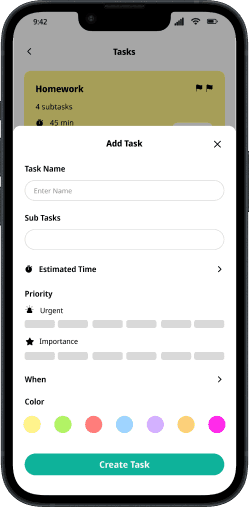
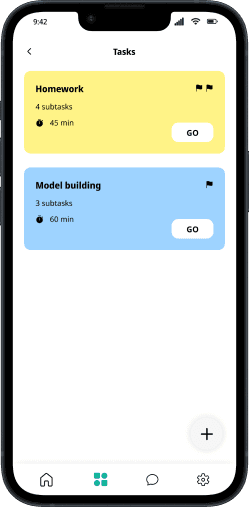
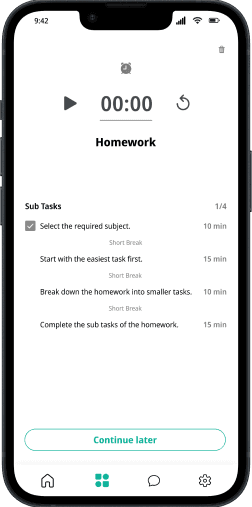
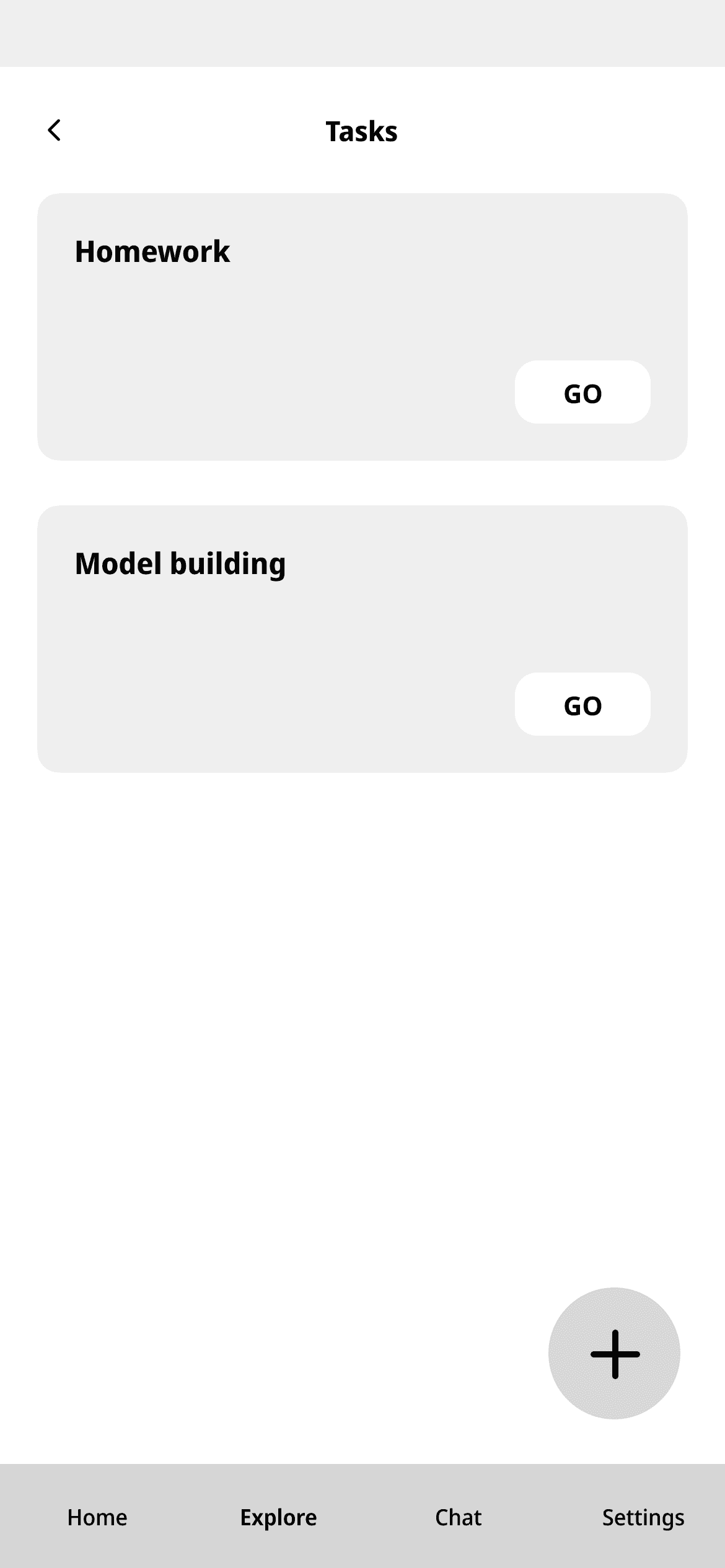
The task management feature helps users organize their daily responsibilities, set reminders, and break down tasks into manageable steps. This promotes better time management and reduces the overwhelming feeling often associated with ADHD.

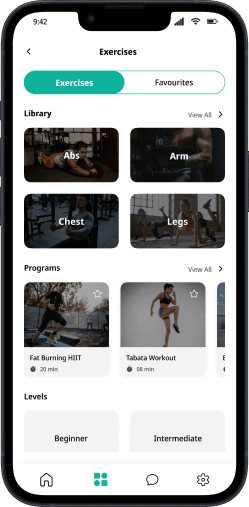
Maintain your Mental and Physical Health
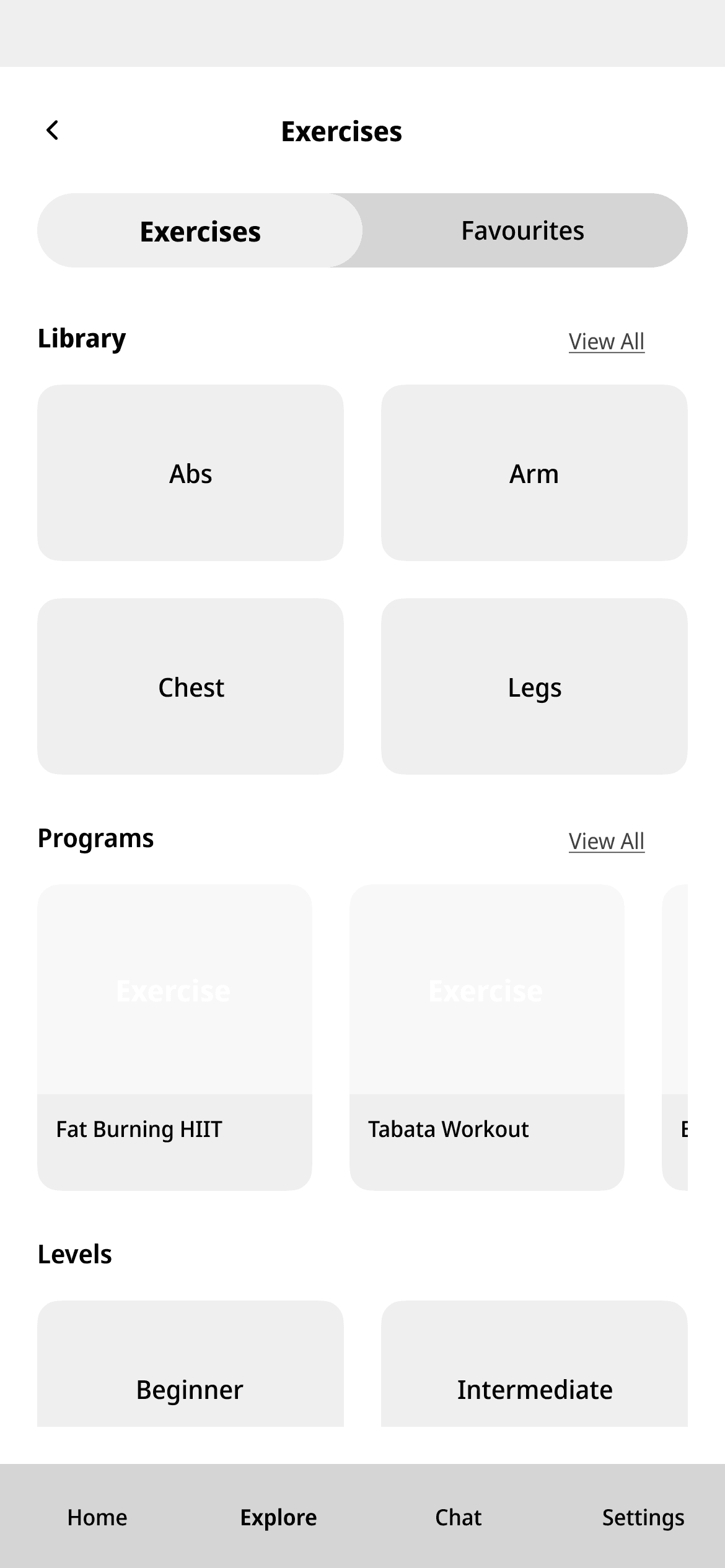
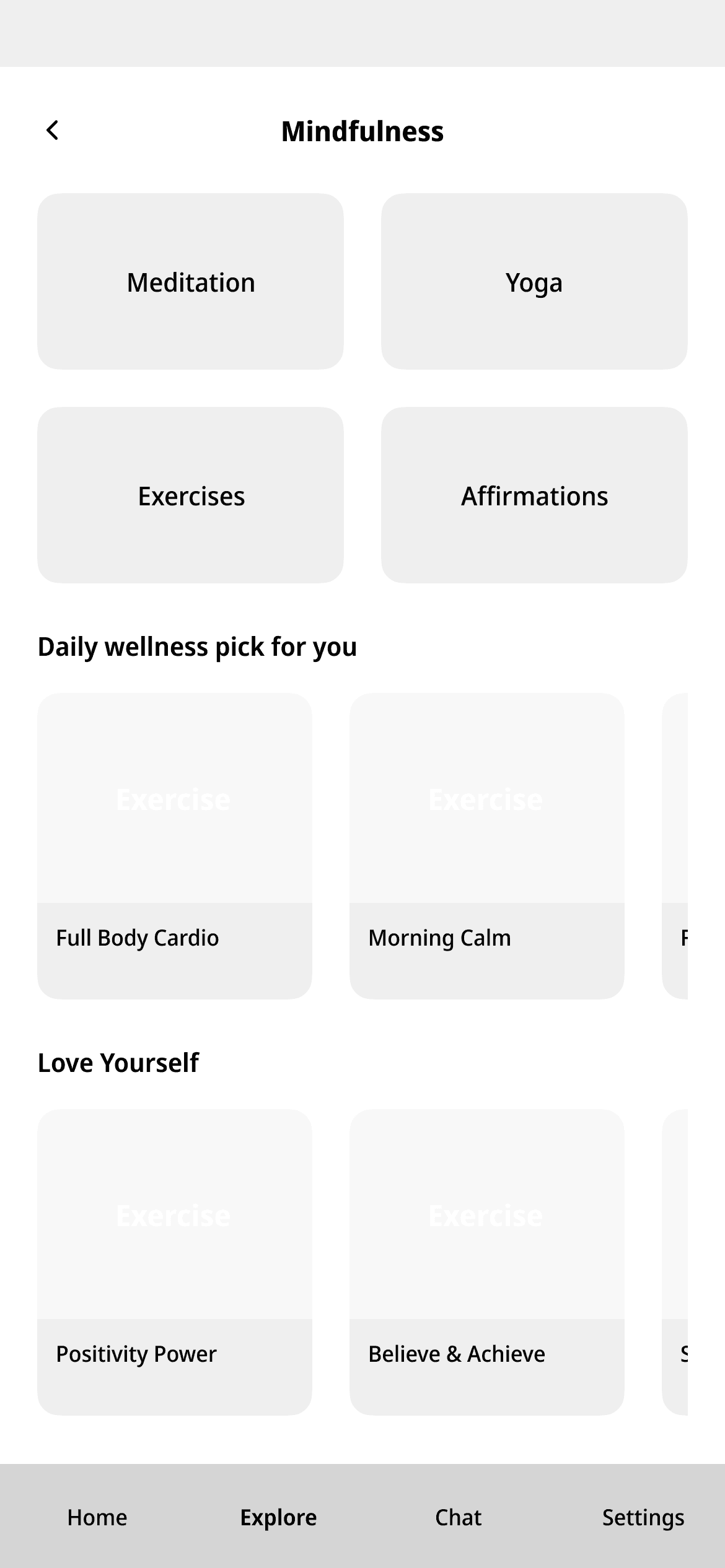
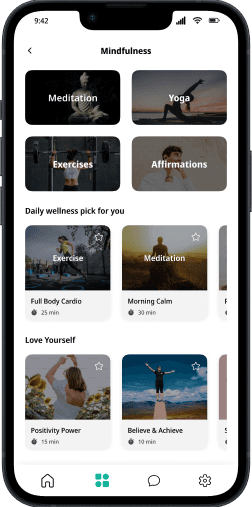
Our app incorporates mindfulness techniques, including exercises, yoga, guided meditation, and affirmations. By promoting self-awareness and relaxation, these techniques empower users to better control their symptoms.
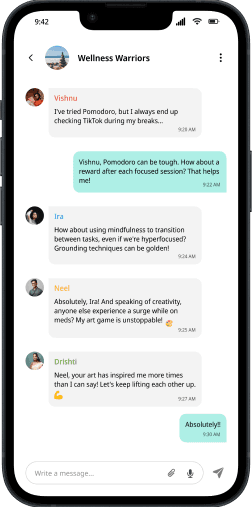

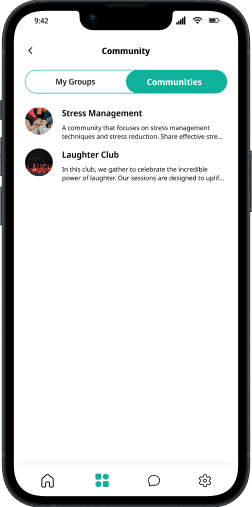
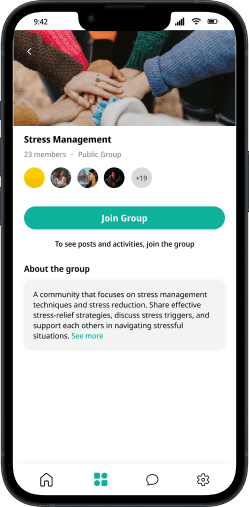


Foster a sense of Community
The community feature connects users with a network of individuals who share similar concerns and experiences. This supportive community fosters a sense of belonging and reduces feelings of isolation, allowing for the exchange of coping strategies and emotional support.
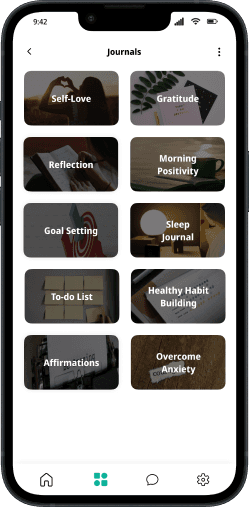

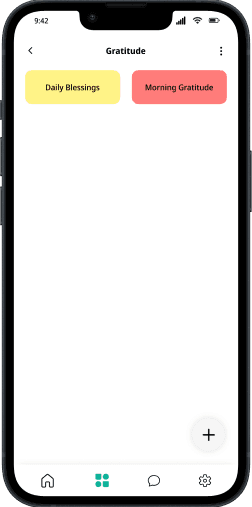
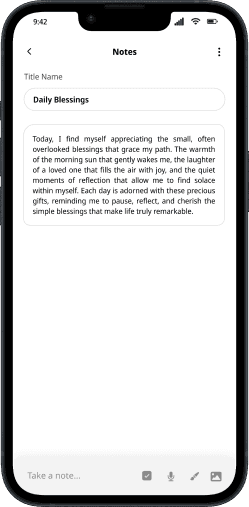


Express your Thoughts and Emotions
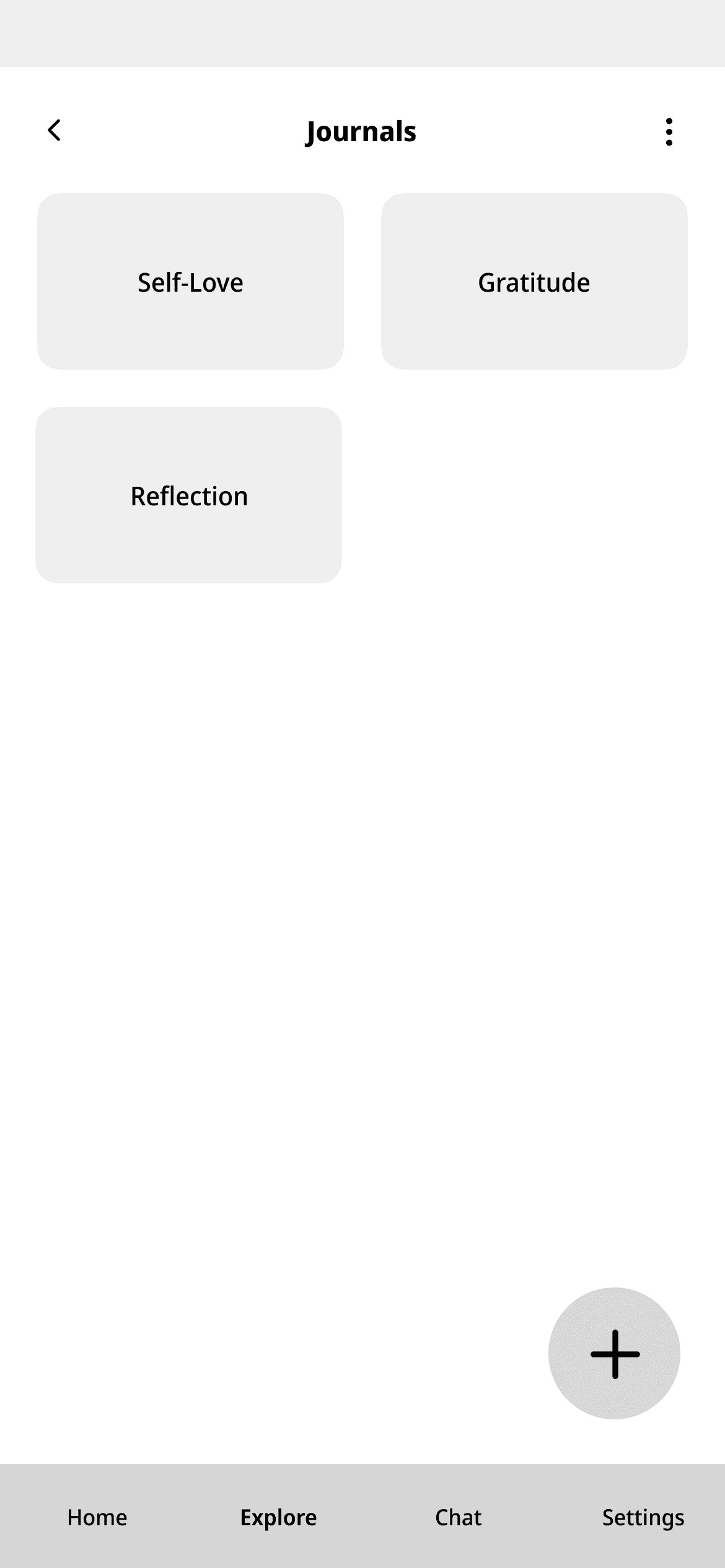
Users can maintain personal journals within the app. Journaling provides a creative outlet for expressing thoughts and emotions, helping users track their progress, and identify patterns in their behavior and symptoms.
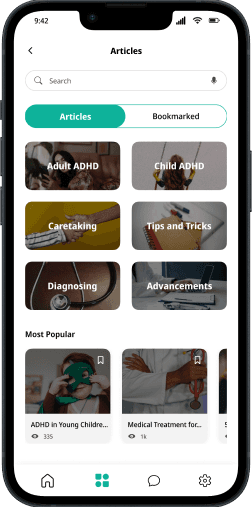

Stay Updated
Stay Updated
Stay Updated
Stay Updated
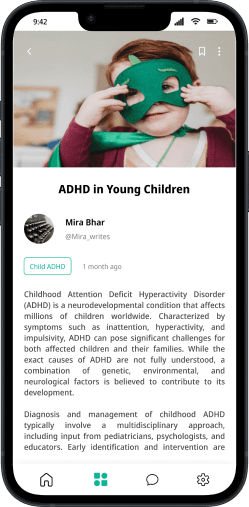
The app offers curated articles and blogs on ADHD-related topics, providing users with valuable information, strategies, and insights for self-improvement and understanding the condition better.

Understand Yourself better
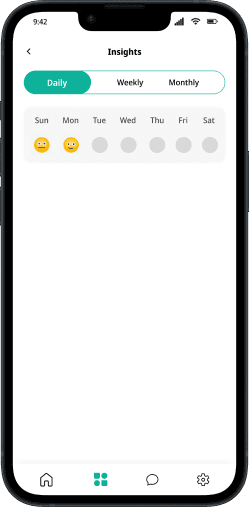
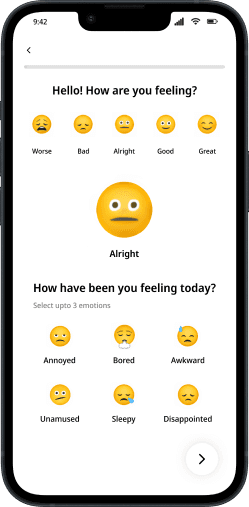
Users can monitor their emotions and identify triggers that worsen their ADHD symptoms. This feature encourages emotional regulation, helping users manage their impulsivity and emotional responses.

Accessible Support
Accessible Support
Accessible Support
Accessible Support
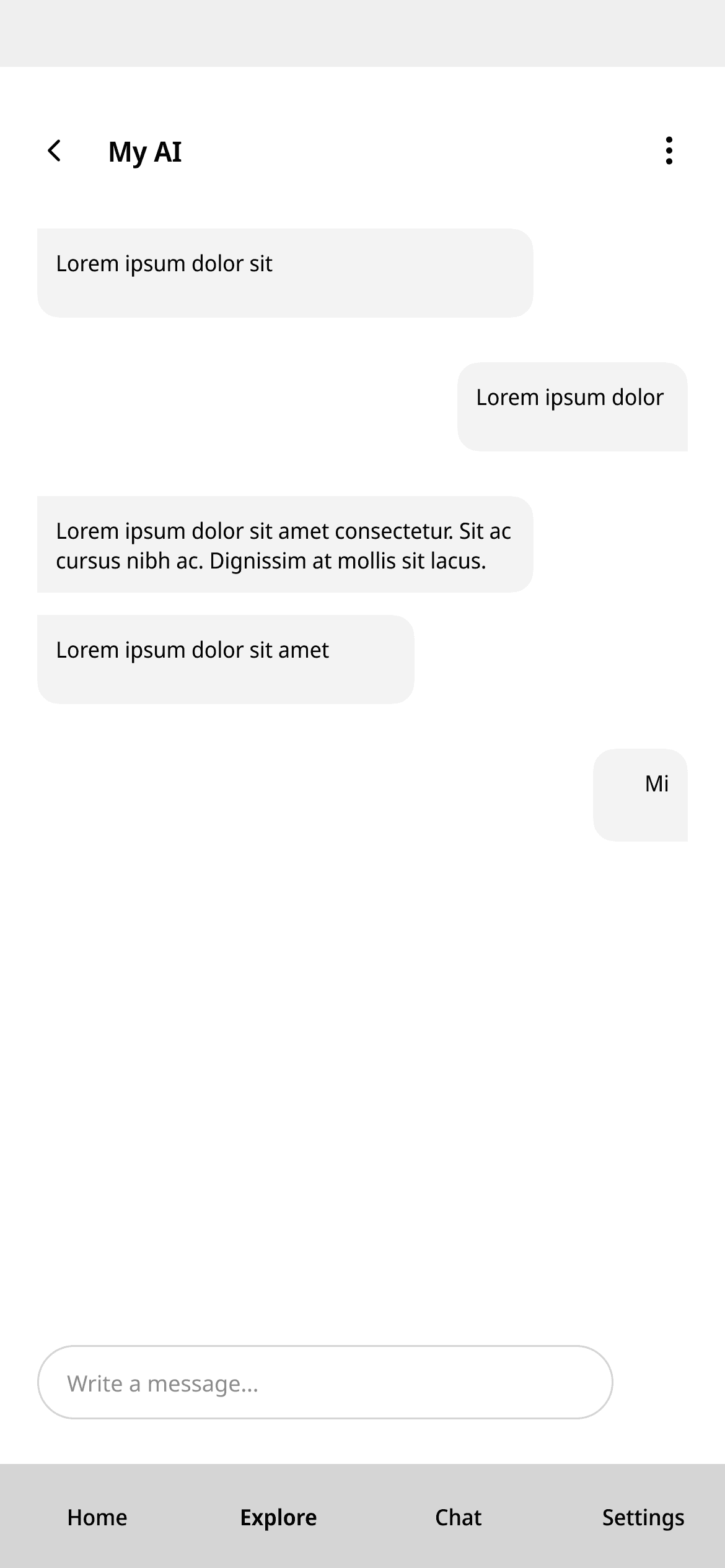
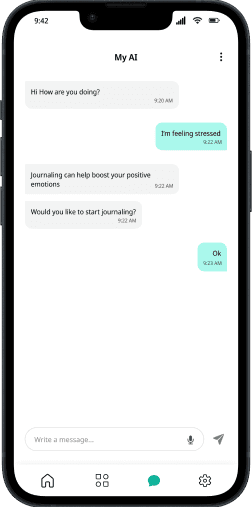
The AI chatbot is an interactive support system that offers information, and real-time assistance. It can provide immediate responses to questions, helping users when they need it most.
Discover
Discover
Discover
Introduction
Introduction
Introduction
Introduction
Attention Deficit Hyperactivity Disorder(ADHD)
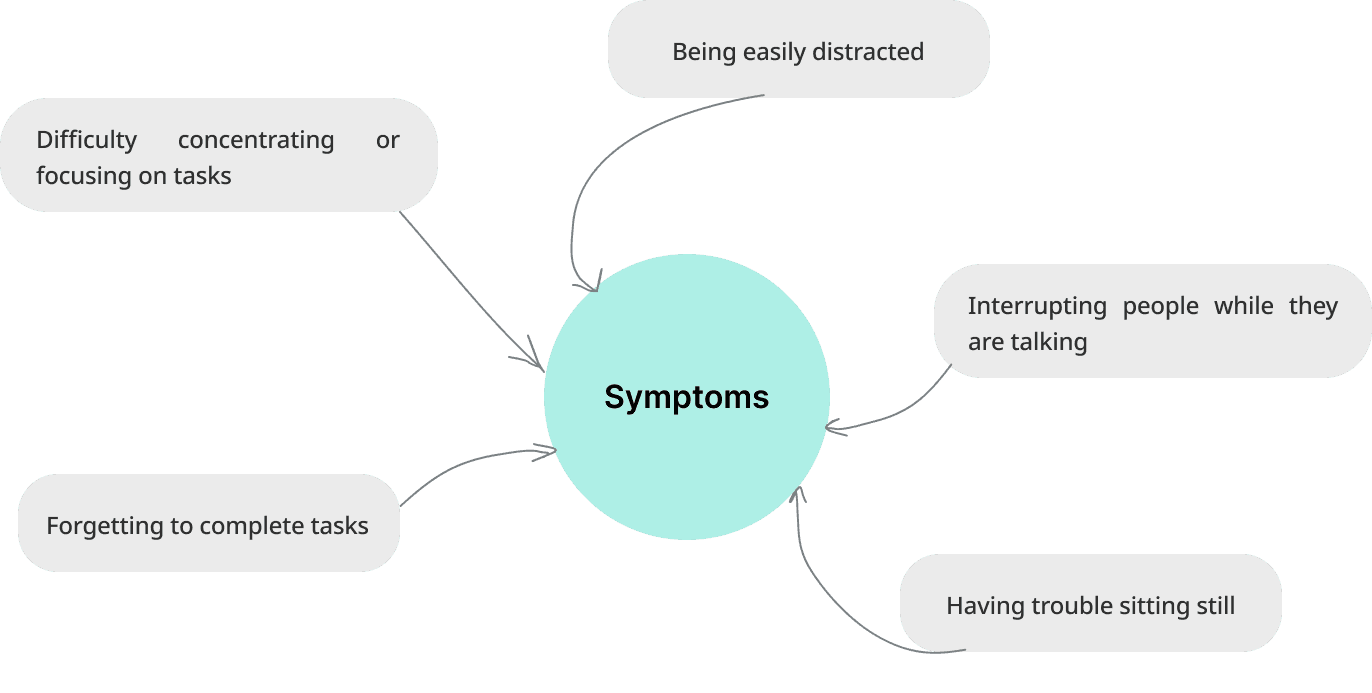
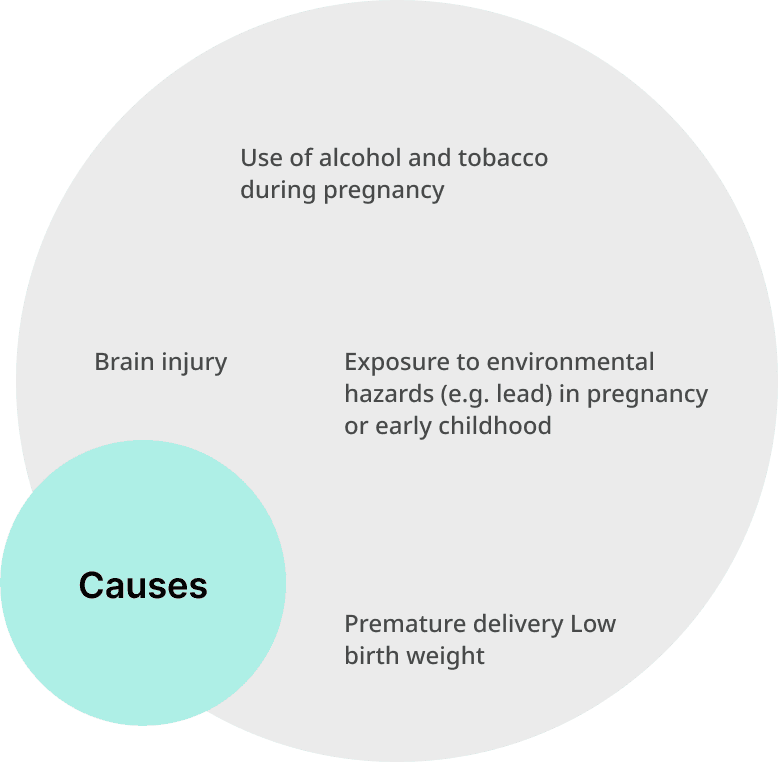
One of the most typical childhood neurodevelopmental disorders is Attention Deficit Hyperactivity Disorder (ADHD). It is frequently diagnosed for the first time as a child and continues into adulthood. Children with ADHD may struggle to control impulsive behaviors, pay attention, or regulate their level of activity. They may also act without considering the consequences.
Attention Deficit Hyperactivity Disorder(ADHD)
One of the most typical childhood neurodevelopmental disorders is Attention Deficit Hyperactivity Disorder (ADHD). It is frequently diagnosed for the first time as a child and continues into adulthood. Children with ADHD may struggle to control impulsive behaviors, pay attention, or regulate their level of activity. They may also act without considering the consequences.
Attention Deficit Hyperactivity Disorder(ADHD)
One of the most typical childhood neurodevelopmental disorders is Attention Deficit Hyperactivity Disorder (ADHD). It is frequently diagnosed for the first time as a child and continues into adulthood. Children with ADHD may struggle to control impulsive behaviors, pay attention, or regulate their level of activity. They may also act without considering the consequences.
Attention Deficit Hyperactivity Disorder(ADHD)
One of the most typical childhood neurodevelopmental disorders is Attention Deficit Hyperactivity Disorder (ADHD). It is frequently diagnosed for the first time as a child and continues into adulthood. Children with ADHD may struggle to control impulsive behaviors, pay attention, or regulate their level of activity. They may also act without considering the consequences.

Discover
Discover
Discover
Secondary Research
Secondary Research
Secondary Research
Secondary Research

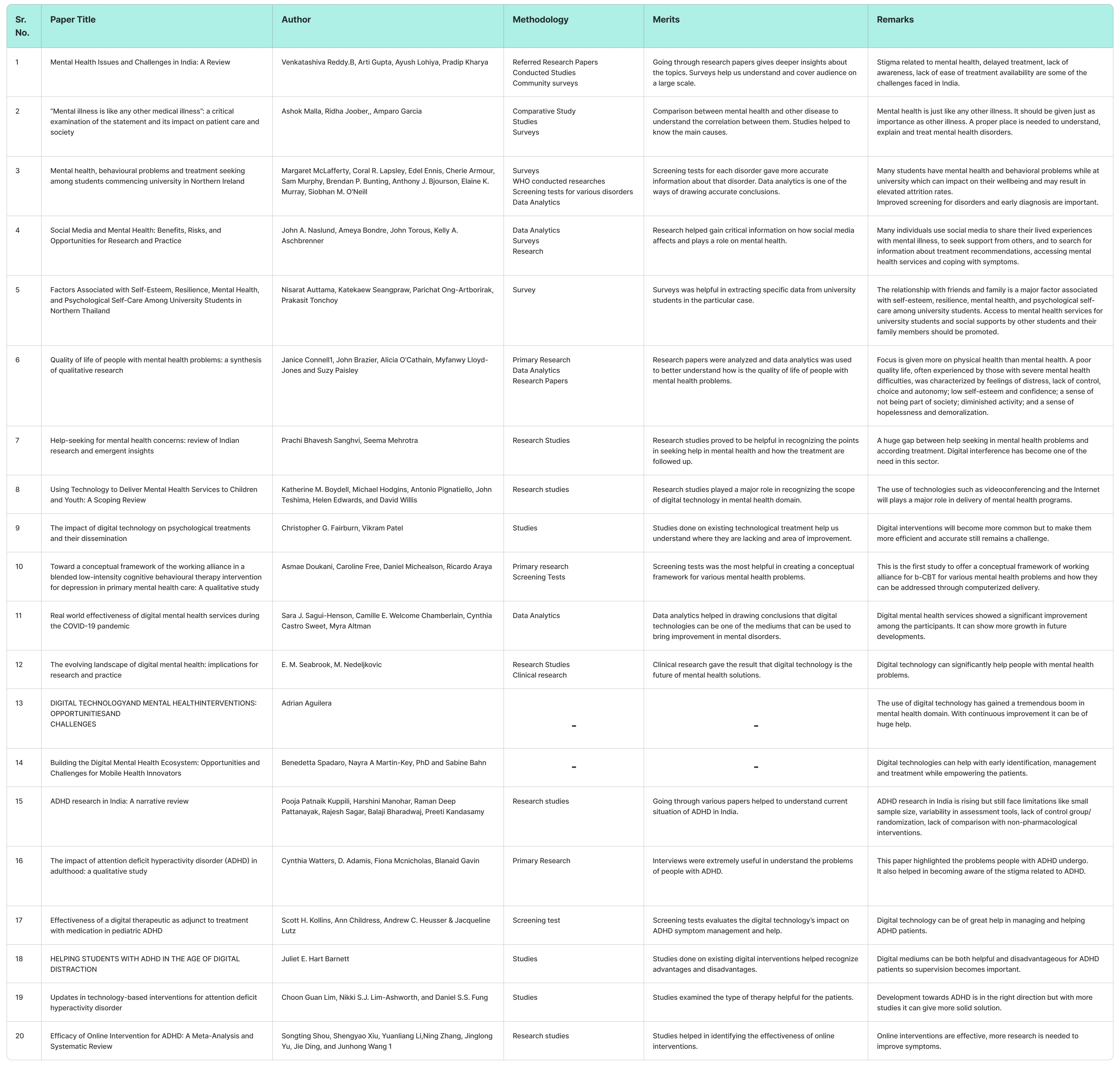
Desk research, which involved Desk research, which involved reviewing scientific literature and existing resources to better understand ADHD symptoms, causes, and available treatments, complemented this qualitative data gathering.
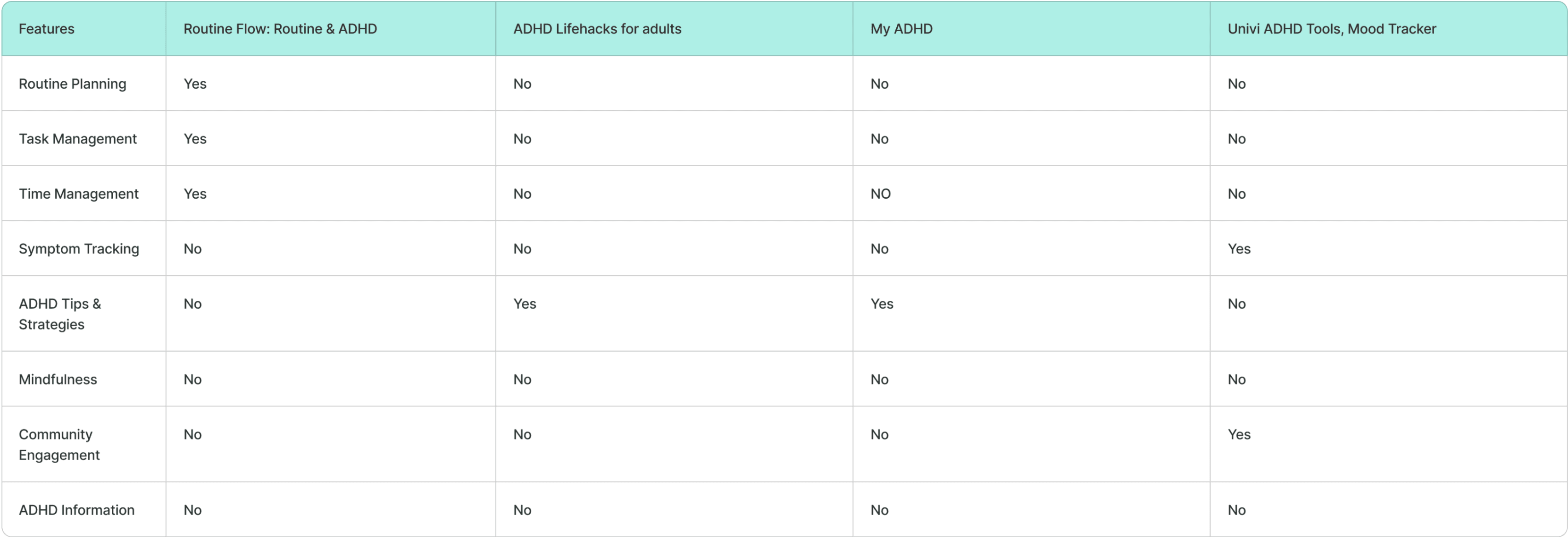
Research into existing ADHD management tools and apps revealed common shortcomings, such as lack of personalization, overwhelming interfaces, and failure to address emotional tracking comprehensively.
The research emphasized the importance of accessibility in design, recommending clean, intuitive layouts and features that break tasks into smaller, manageable steps.
Discover
Discover
Discover
Primary Research
Primary Research
Primary Research
Primary Research
Six people, including psychologists and ADHD patients, participated in interviews. The interviews with psychologists focused on understanding clinical perspectives on common challenges faced by ADHD patients, while conversations with patients offered firsthand insights into the day-to-day struggles of managing attention, focus, and organization. I developed a detailed questionnaire that included questions about the challenges individuals with ADHD face in their personal and professional lives. Moreover, participants were asked about their needs and preferences for tools or features that could be incorporated into a digital app specifically designed to help manage ADHD symptoms.
Insights
Insights
Insights
Insights
Users struggle with organization and management and maintaining attention.
Impulse control: making hasty decisions, speaking without thinking.
Forgetfulness: forgetting appointments and ignoring important tasks.
Medication management
Anxiety and depression symptoms
Users struggle with organization and management and maintaining attention.
Impulse control: making hasty decisions, speaking without thinking.
Forgetfulness: forgetting appointments and ignoring important tasks.
Medication management
Anxiety and depression symptoms
Users struggle with organization and management and maintaining attention.
Impulse control: making hasty decisions, speaking without thinking.
Forgetfulness: forgetting appointments and ignoring important tasks.
Medication management
Anxiety and depression symptoms
User Expectations
User Expectations
User Expectations
User Expectations
Getting reminders, planning tasks, and tracking progress.
Setting timers and breaking tasks into steps.
Mindfulness exercises
Community for sharing tips and reaching out.
Information, awareness, and possible solutions for ADHD.
Getting reminders, planning tasks, and tracking progress.
Setting timers and breaking tasks into steps.
Mindfulness exercises
Community for sharing tips and reaching out.
Information, awareness, and possible solutions for ADHD.
Getting reminders, planning tasks, and tracking progress.
Setting timers and breaking tasks into steps.
Mindfulness exercises
Community for sharing tips and reaching out.
Information, awareness, and possible solutions for ADHD.
Comparative Analysis

Opportunities
Opportunities
Opportunities
Opportunities
Mindfulness activities like meditation, yoga, exercises and affirmation can be added for the physical and mental well-being of the users.
Communities where users can talk and get engaged with other users is another feature that will be helpful.
Blog section where users can read various blogs related to ADHD.
A digital diary like journals is another important feature which can enable users to note down their thoughts, symptoms and other such information and help them keep track.
Mindfulness activities like meditation, yoga, exercises and affirmation can be added for the physical and mental well-being of the users.
Communities where users can talk and get engaged with other users is another feature that will be helpful.
Blog section where users can read various blogs related to ADHD.
A digital diary like journals is another important feature which can enable users to note down their thoughts, symptoms and other such information and help them keep track.
Mindfulness activities like meditation, yoga, exercises and affirmation can be added for the physical and mental well-being of the users.
Communities where users can talk and get engaged with other users is another feature that will be helpful.
Blog section where users can read various blogs related to ADHD.
A digital diary like journals is another important feature which can enable users to note down their thoughts, symptoms and other such information and help them keep track.
Mindfulness activities like meditation, yoga, exercises and affirmation can be added for the physical and mental well-being of the users.
Communities where users can talk and get engaged with other users is another feature that will be helpful.
Blog section where users can read various blogs related to ADHD.
A digital diary like journals is another important feature which can enable users to note down their thoughts, symptoms and other such information and help them keep track.
Define
Define
Define
Problem Statement
Problem Statement
Problem Statement
Problem Statement
Individuals who suffer from attention deficit hyperactivity disorder (ADHD) find it difficult to control their impulses and focus. They face challenges in organizing and managing tasks. Forgetfulness and neglecting tasks/appointments are also a few of the major challenges they face. There is a need for a unified tool that combines task management, mindfulness tools, community support, and educational resources addressing the multifaceted requirements of people with ADHD to enhance their general health and quality of life.
Define
Define
Define
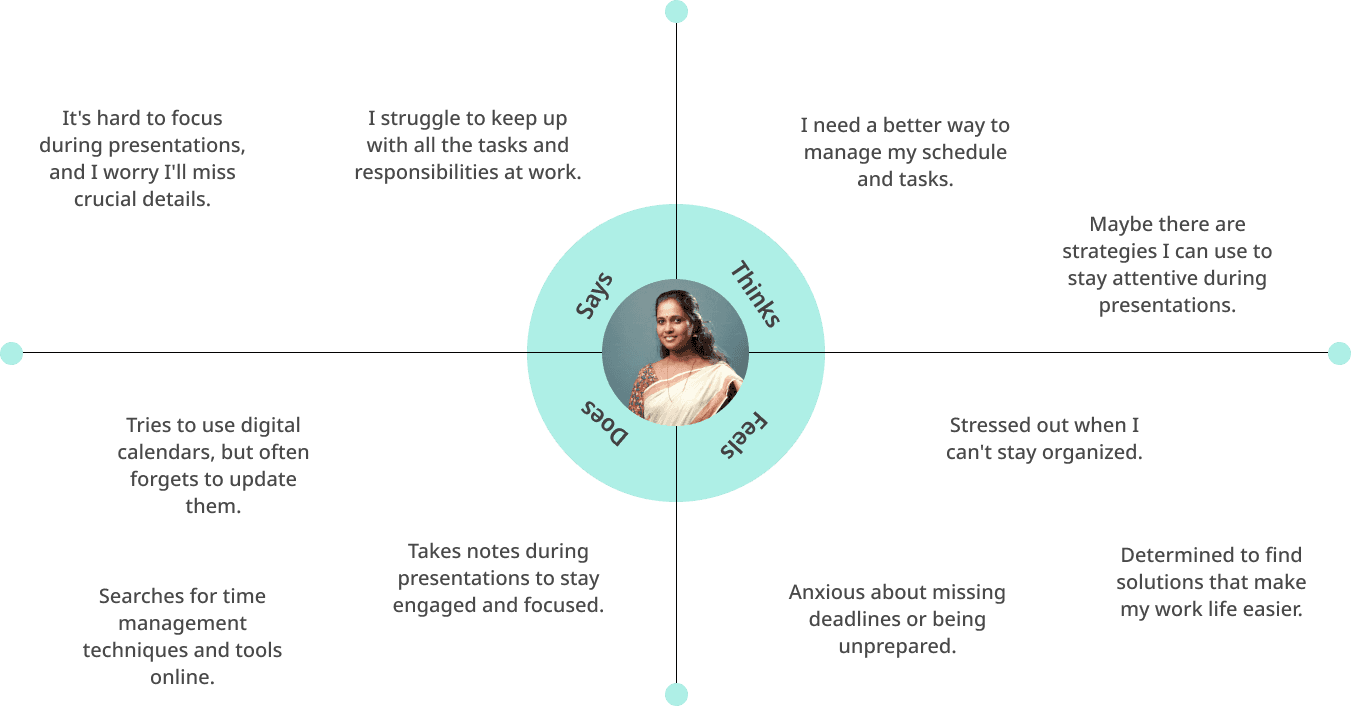
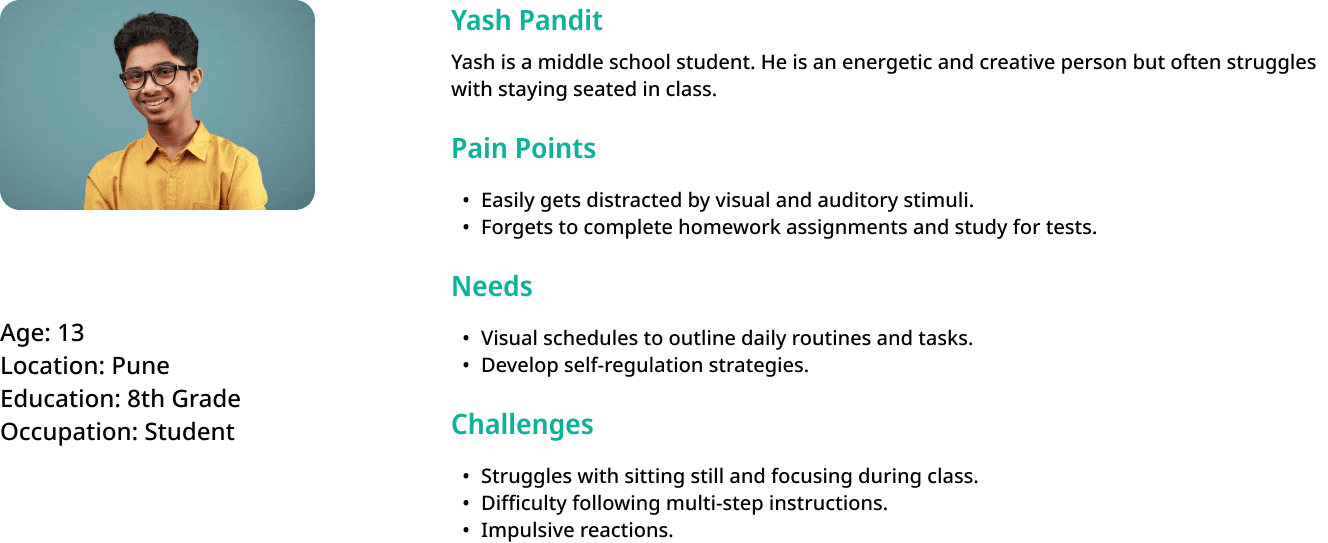
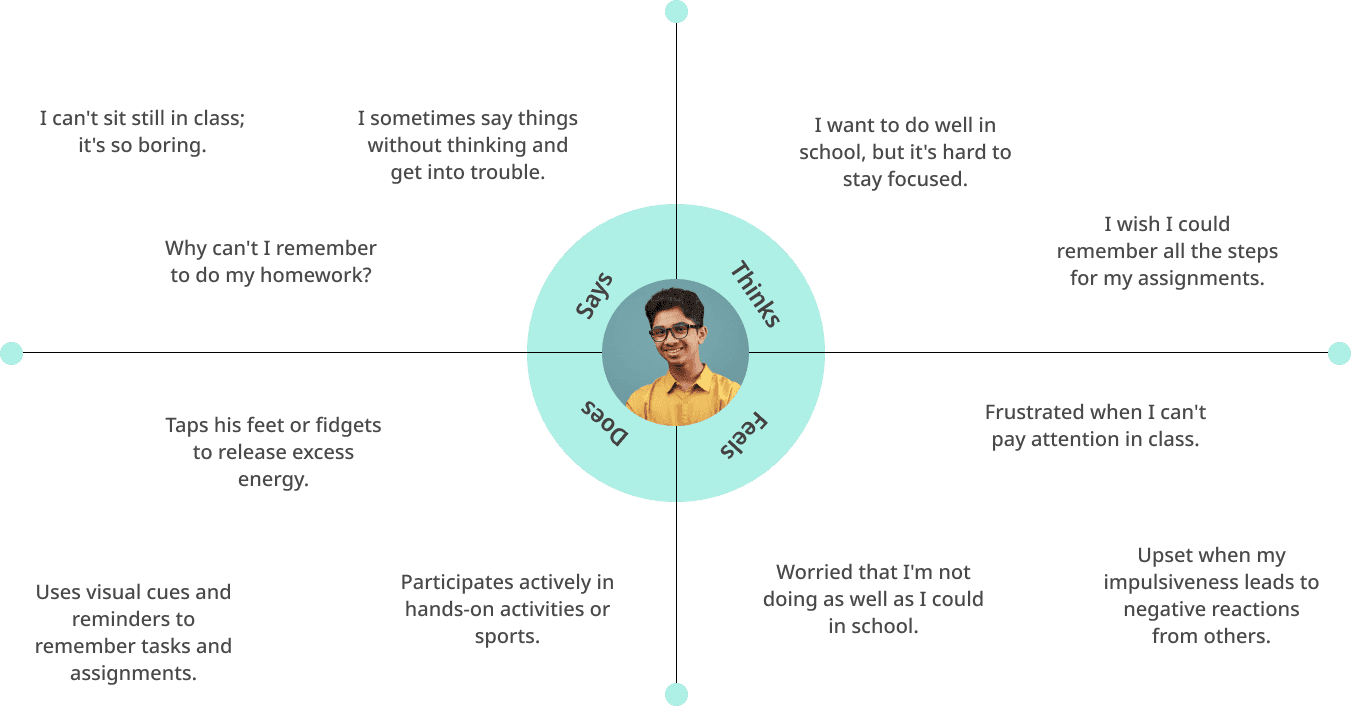
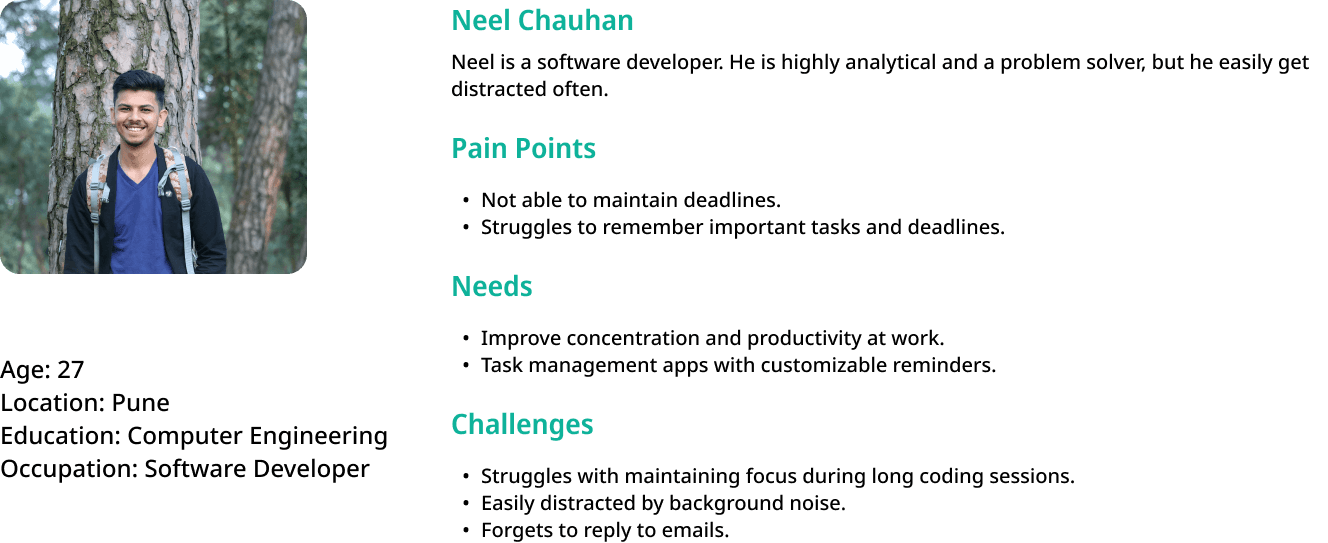
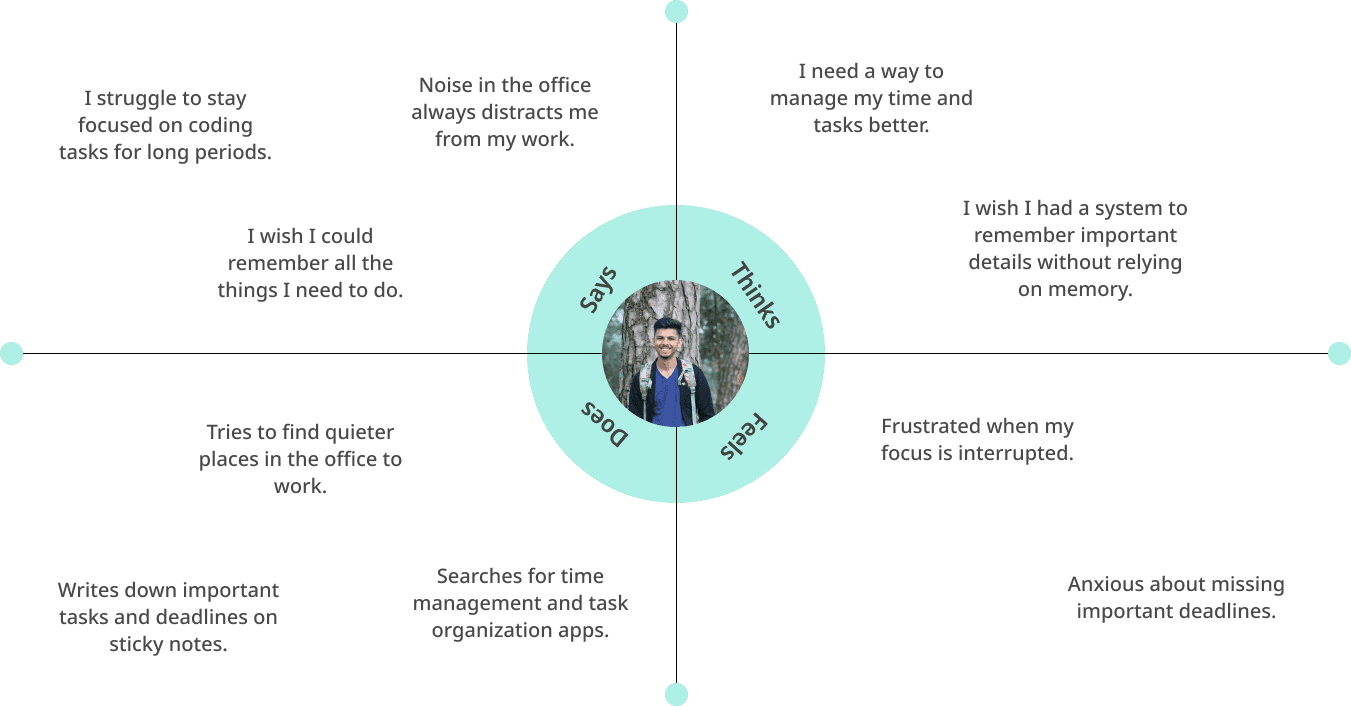
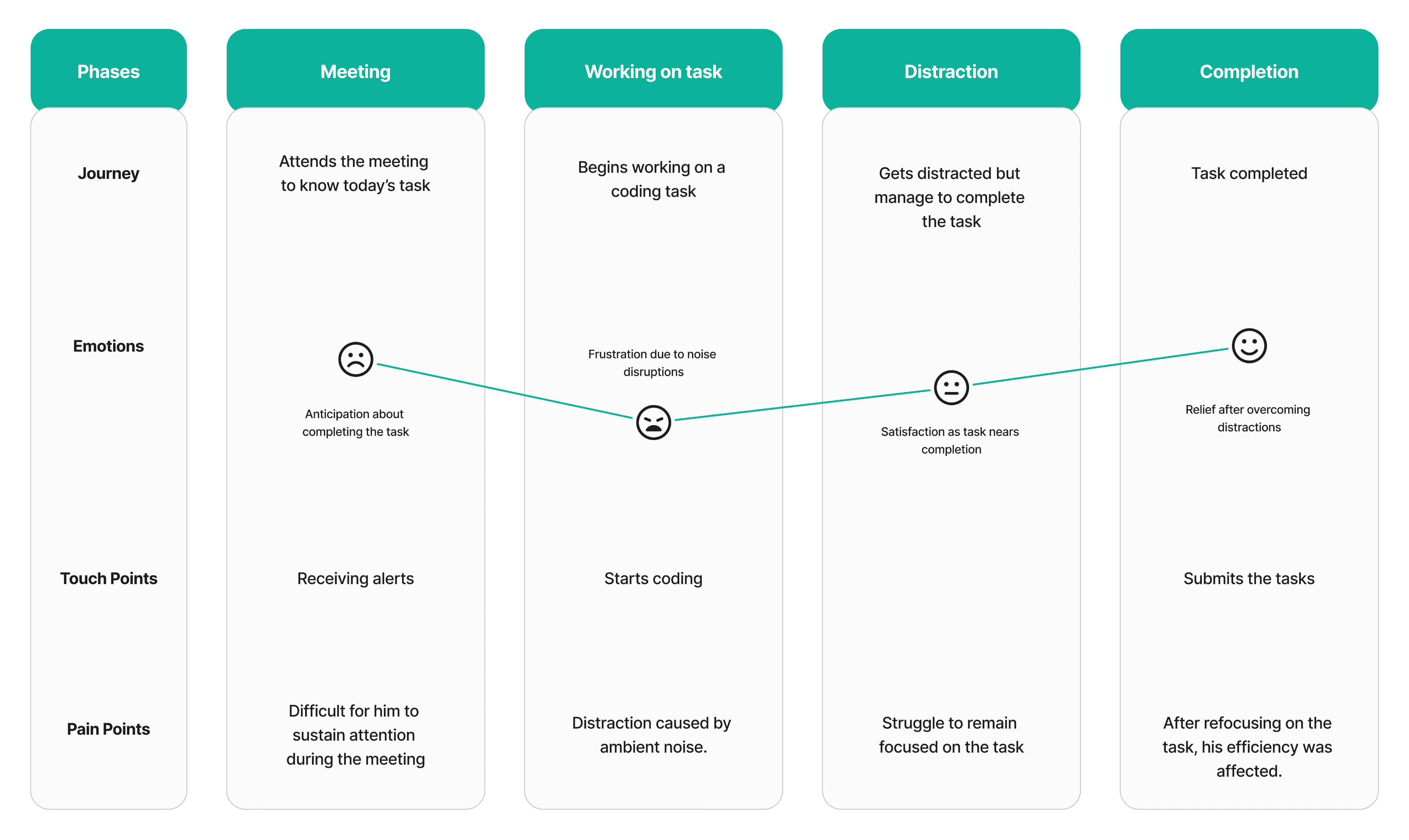
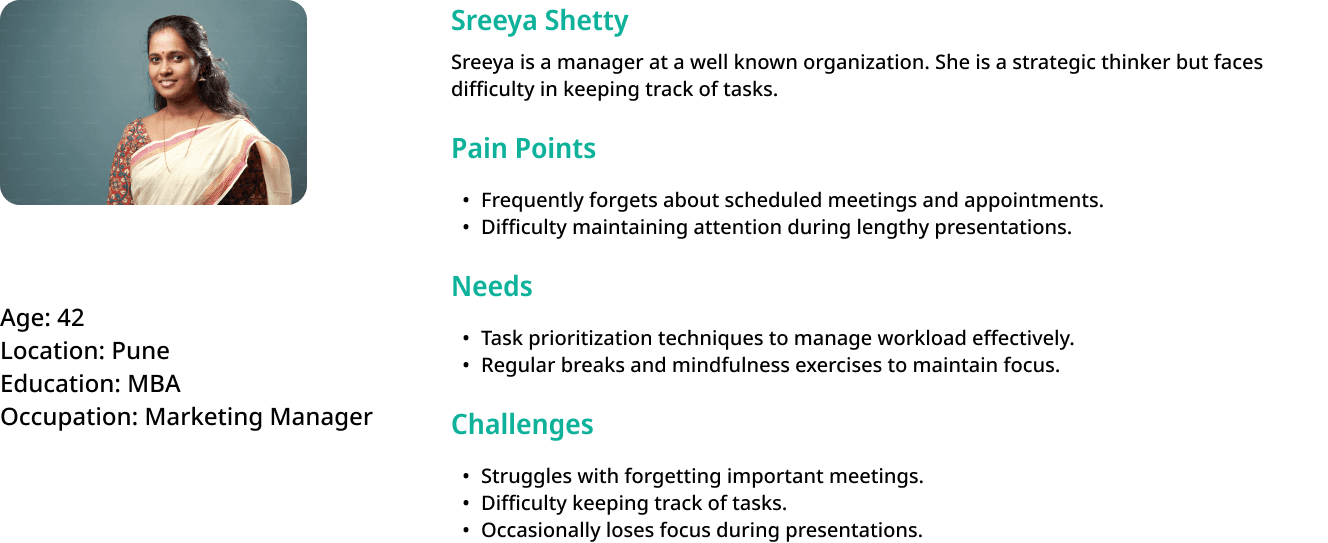
Personas and their respective Empathy Maps and Customer Journey Maps


Ideate
Ideate
Ideate
Feature Prioritization
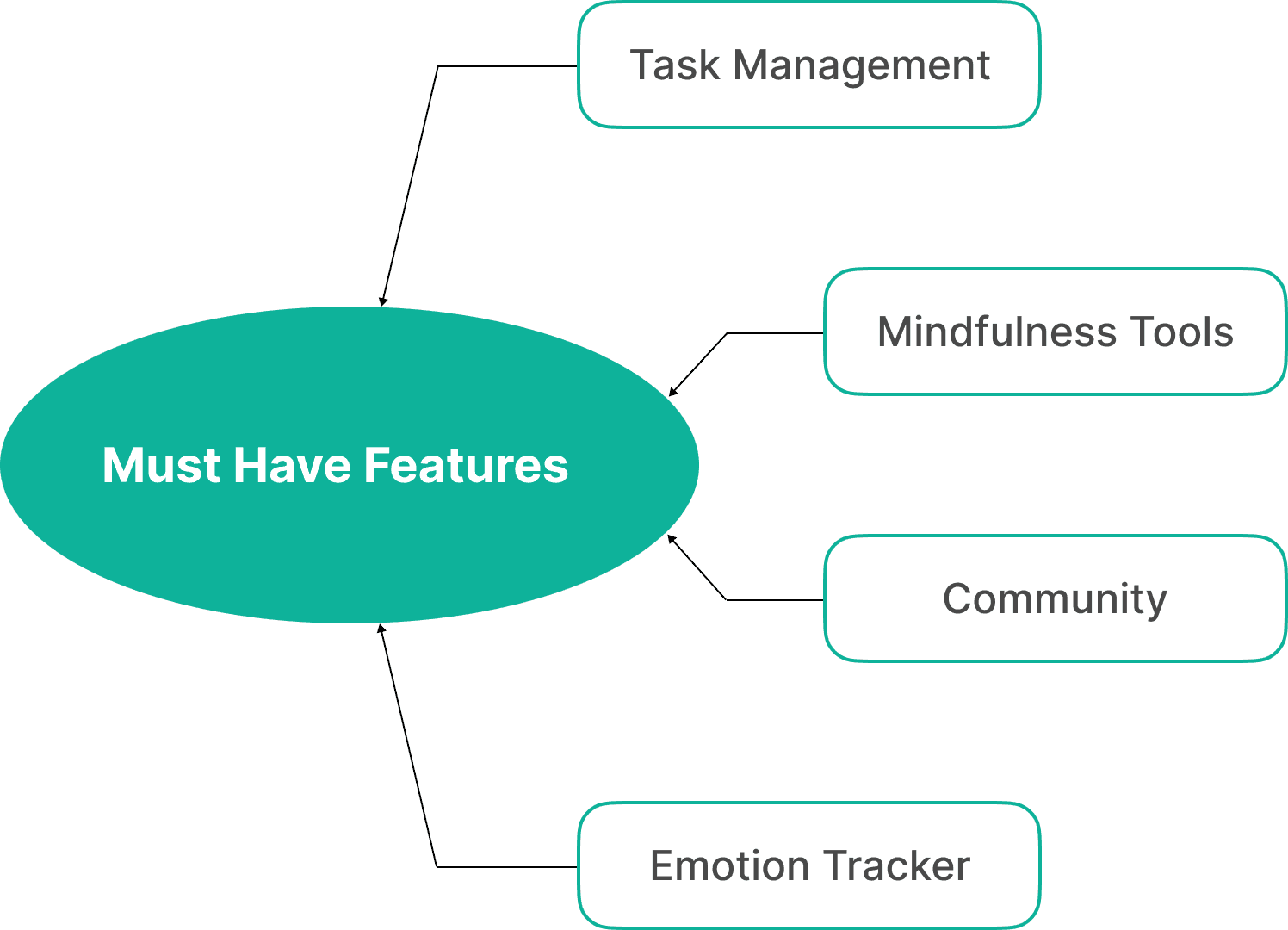
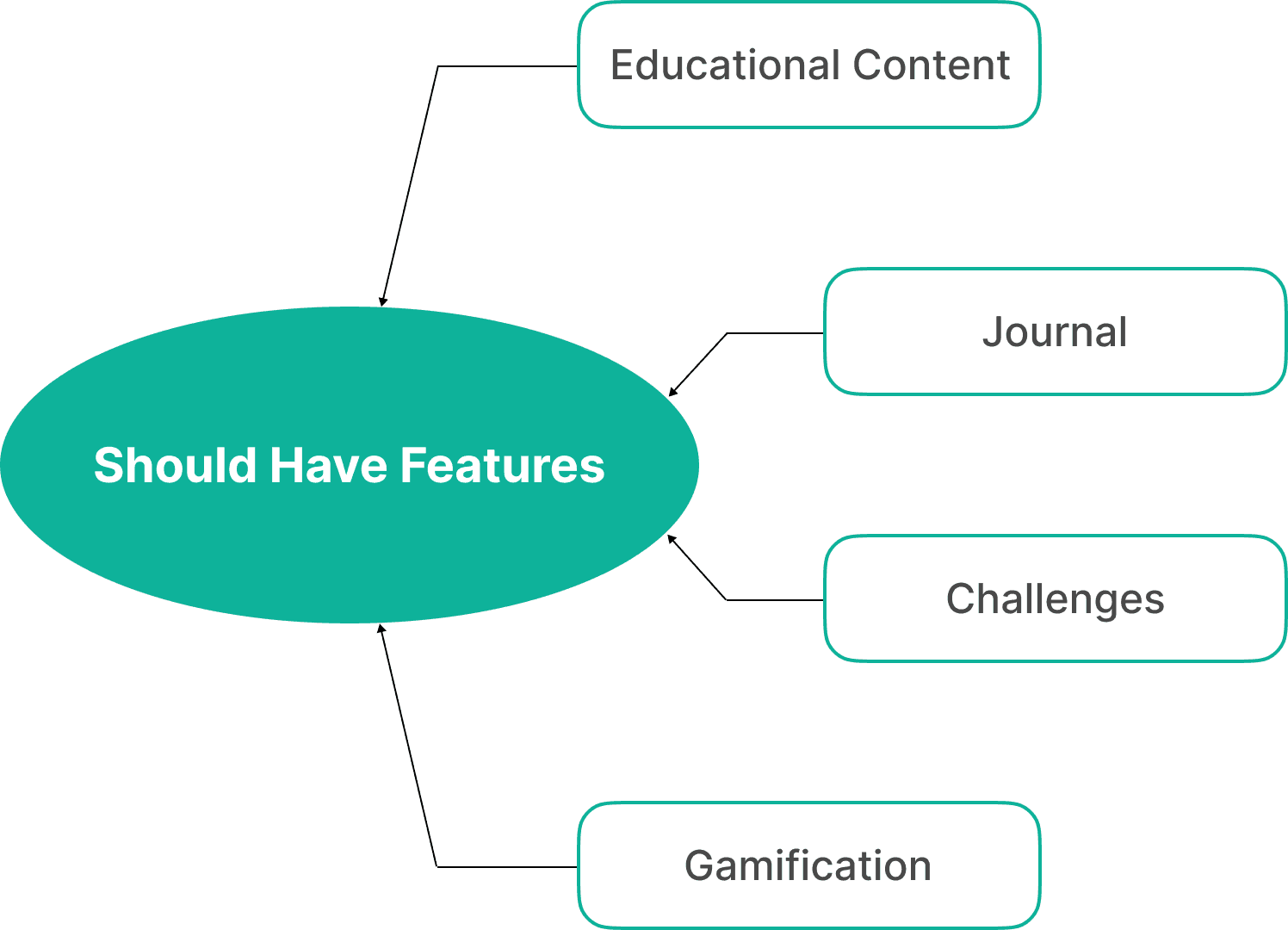
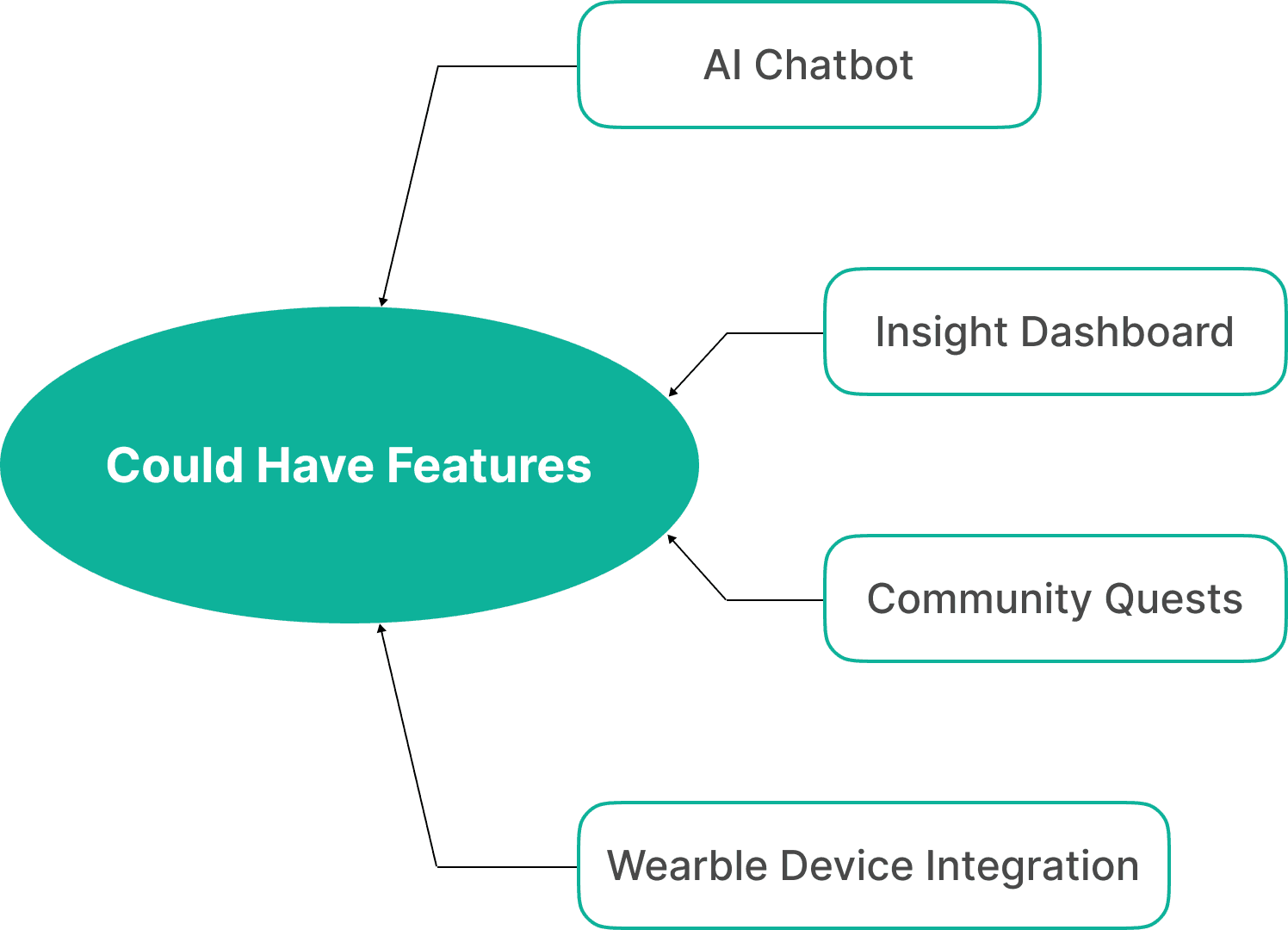
Feature prioritization is the process of ranking and organizing features of a product based on their importance, value, feasibility, and user needs. For an ADHD management app, where the audience may have difficulty with focus and organization, prioritizing features ensures that essential tools are easily accessible, intuitive, and impactful in addressing user pain points.
By focusing on high-priority features, I ensured that the design and development efforts were concentrated on delivering maximum value within the project's constraints. Prioritization ensured that the app was tailored to the specific needs of individuals with ADHD, offering features that directly addressed their challenges and aligned with their goals.
Feature prioritization is the process of ranking and organizing features of a product based on their importance, value, feasibility, and user needs. For an ADHD management app, where the audience may have difficulty with focus and organization, prioritizing features ensures that essential tools are easily accessible, intuitive, and impactful in addressing user pain points.
By focusing on high-priority features, I ensured that the design and development efforts were concentrated on delivering maximum value within the project's constraints. Prioritization ensured that the app was tailored to the specific needs of individuals with ADHD, offering features that directly addressed their challenges and aligned with their goals.
Feature prioritization is the process of ranking and organizing features of a product based on their importance, value, feasibility, and user needs. For an ADHD management app, where the audience may have difficulty with focus and organization, prioritizing features ensures that essential tools are easily accessible, intuitive, and impactful in addressing user pain points.
By focusing on high-priority features, I ensured that the design and development efforts were concentrated on delivering maximum value within the project's constraints. Prioritization ensured that the app was tailored to the specific needs of individuals with ADHD, offering features that directly addressed their challenges and aligned with their goals.
Feature prioritization is the process of ranking and organizing features of a product based on their importance, value, feasibility, and user needs. For an ADHD management app, where the audience may have difficulty with focus and organization, prioritizing features ensures that essential tools are easily accessible, intuitive, and impactful in addressing user pain points.
By focusing on high-priority features, I ensured that the design and development efforts were concentrated on delivering maximum value within the project's constraints. Prioritization ensured that the app was tailored to the specific needs of individuals with ADHD, offering features that directly addressed their challenges and aligned with their goals.

Ideate
Ideate
Ideate
Card Sorting
Card Sorting
Card Sorting
Card Sorting

Ideate
Ideate
Ideate
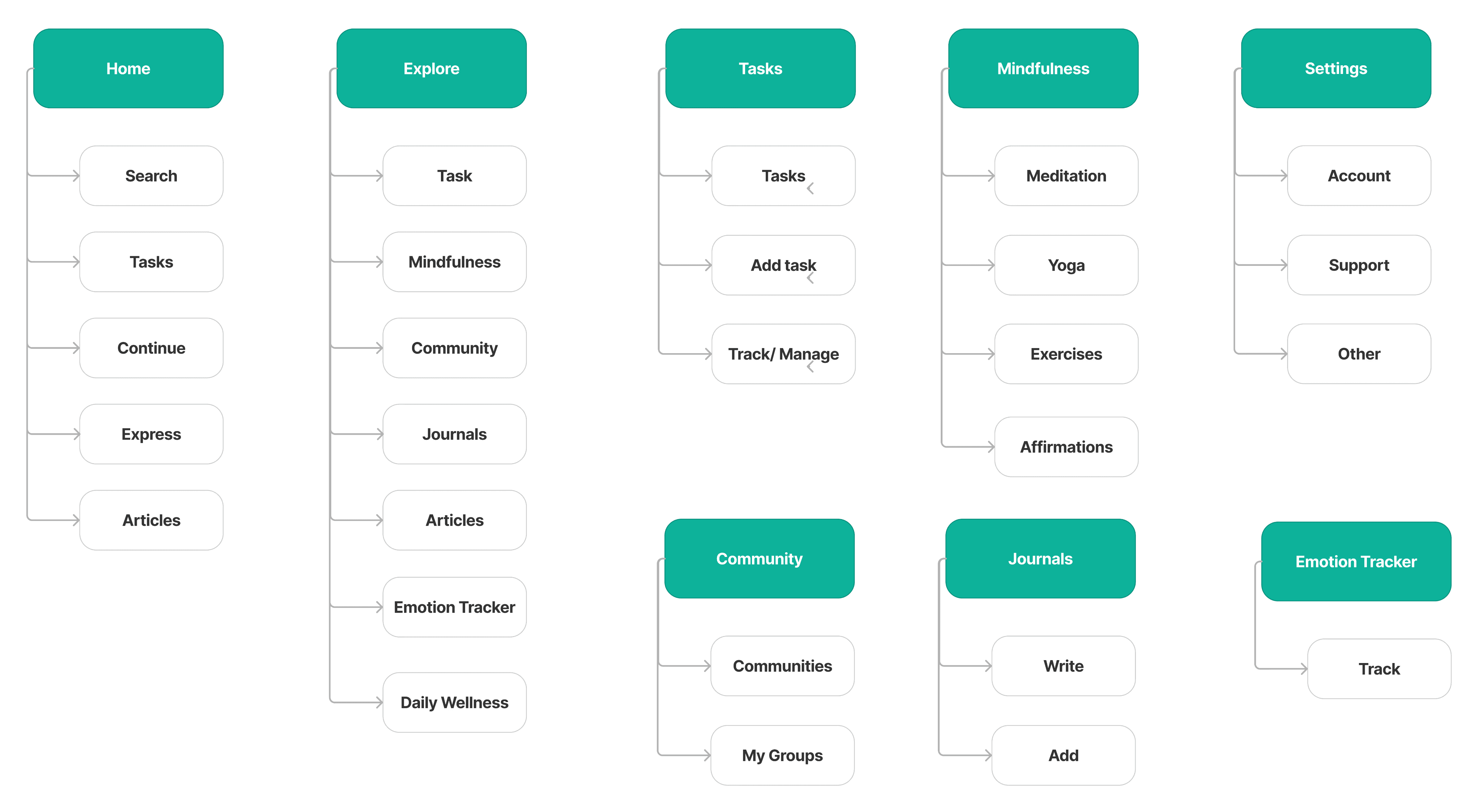
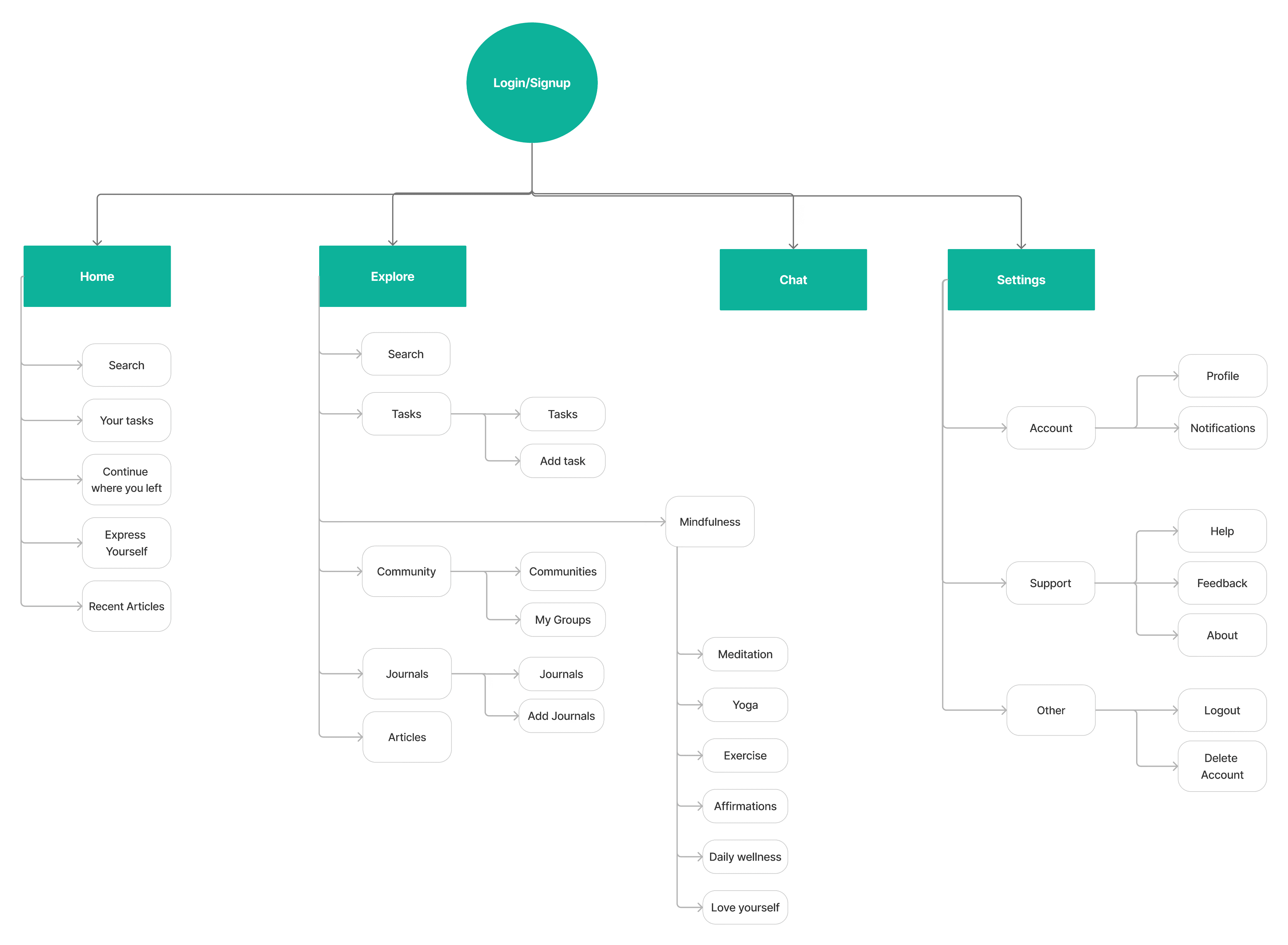
Information Architecture

Ideate
Ideate
Ideate
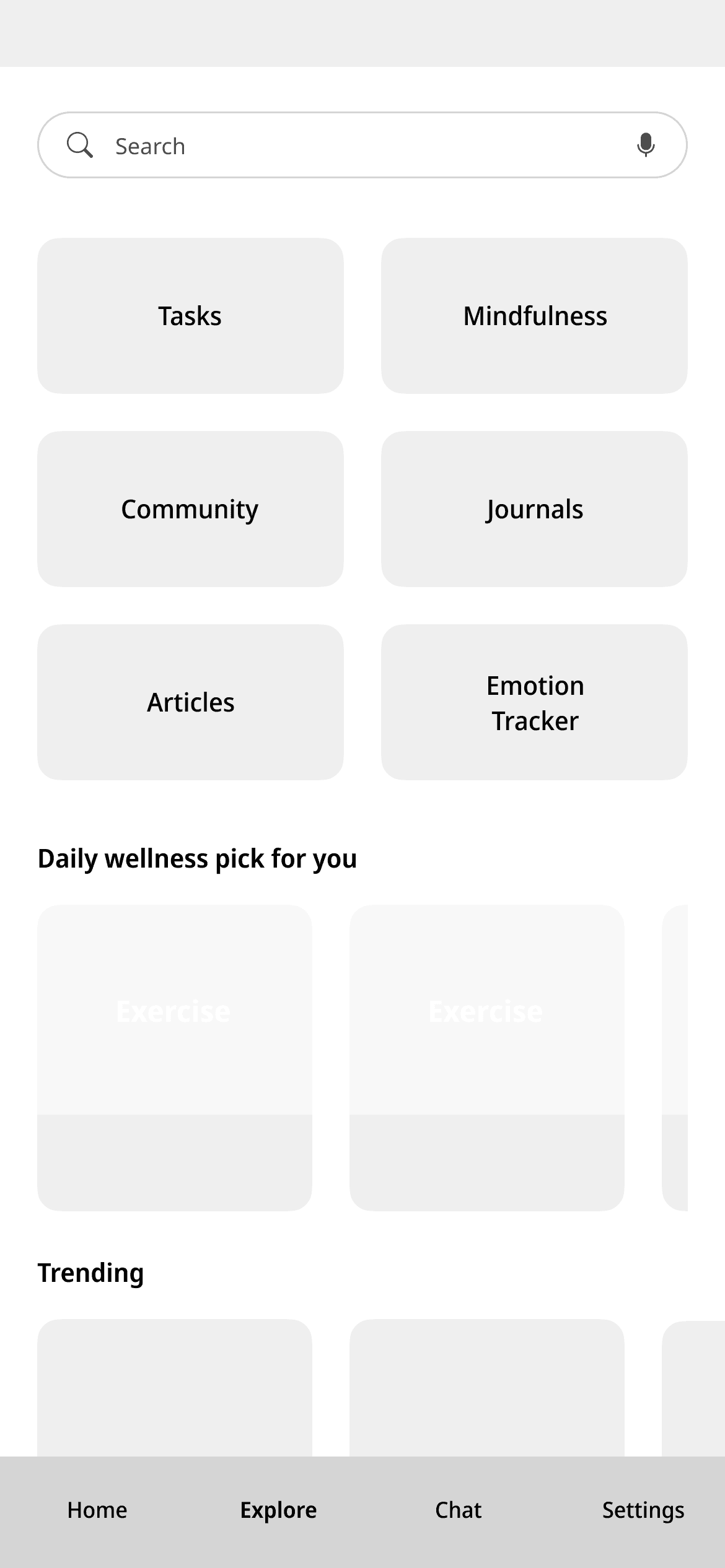
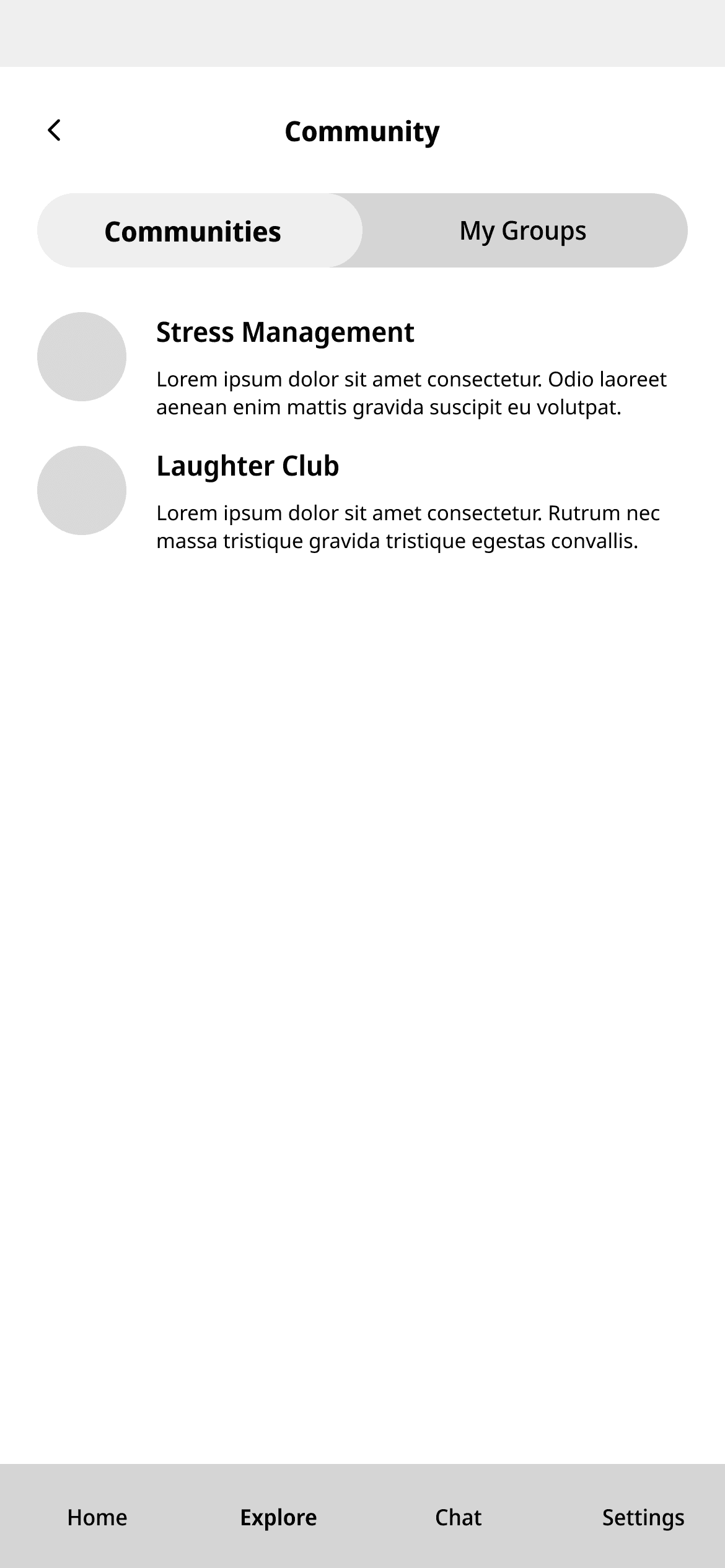
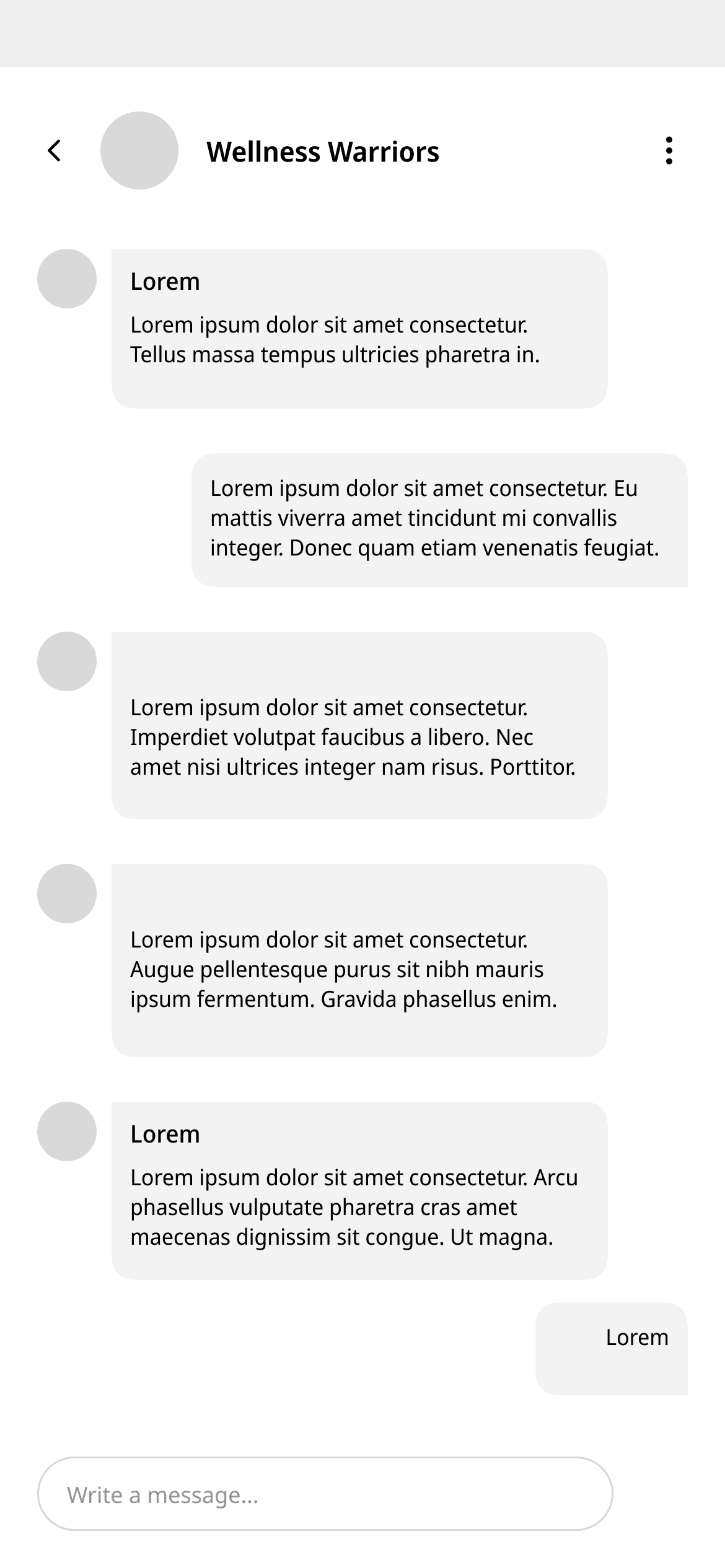
Low Fidelity
Low Fidelity
Low Fidelity
Low Fidelity


Design
Design
Design
Style Guide
Style Guide
Style Guide
Style Guide
Colors
Colors
Colors
Colors
People with ADHD are often over-stimulated by colors, patterns, and even temperature. Using neutral, soft, and calming hues of blue, green and brown to help them feel more calm and peaceful.


Typography
Typography
Typography
Typography
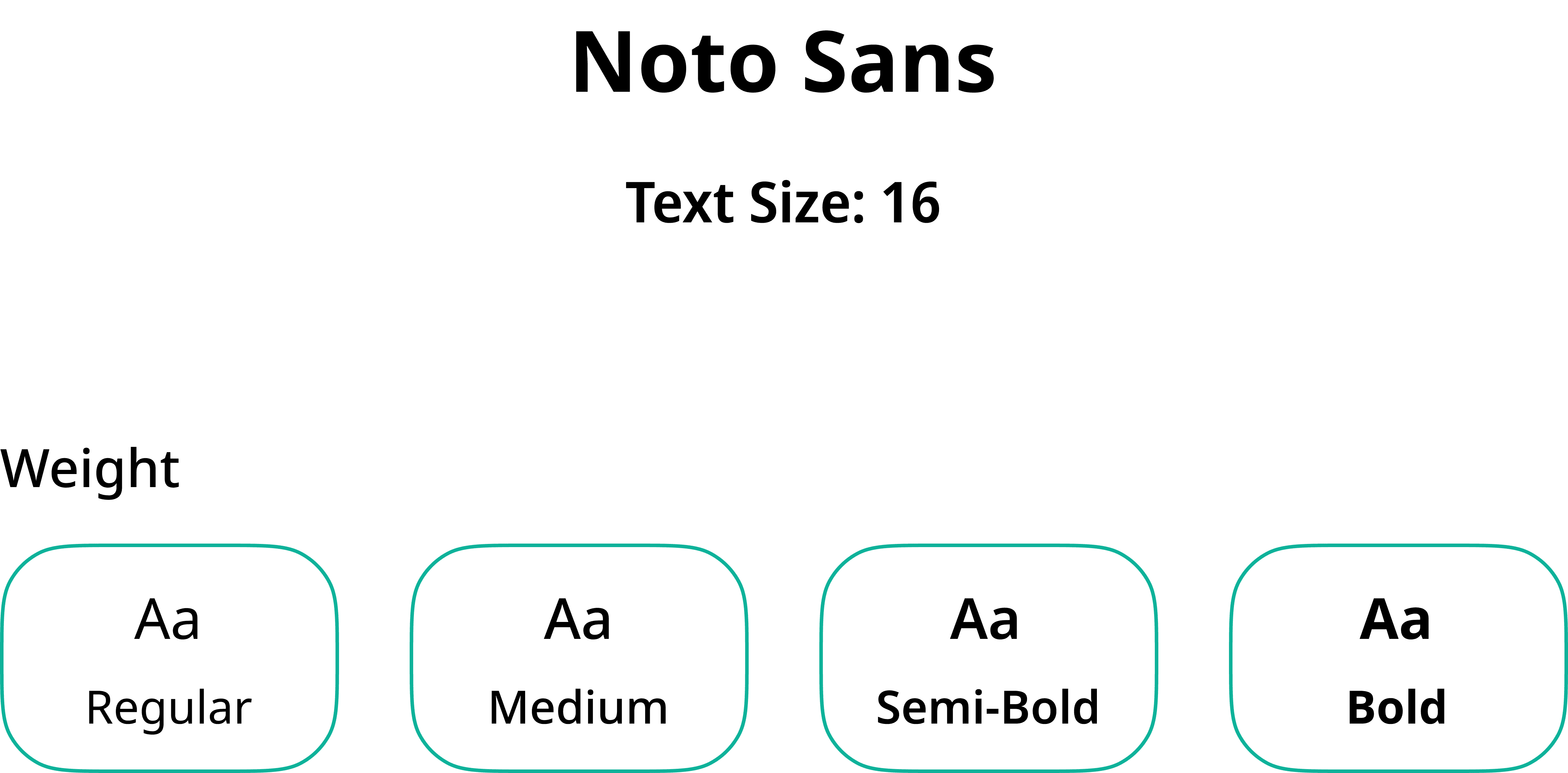
Font style alone does not determine how readable something is. It is in this instance that size is crucial, as if it is too small, the letters will muddle and blur together to form an unclear ink stain. If it is too big, you become overwhelmed and you lose the overall thread. It would need to be between 12 and 16 points to be readable while maintaining balance.


A B C D E F G H I J K L M O P Q R S T U V X Y Z
a b c d e f g h i j k l m n o p q r s t u v w x y z
0 1 2 3 4 5 6 7 8 9
A B C D E F G H I J K L M O P Q R S T U V X Y Z
a b c d e f g h i j k l m n o p q r s t u v w x y z
0 1 2 3 4 5 6 7 8 9
A B C D E F G H I J K L M O P Q R S T U V X Y Z
a b c d e f g h i j k l m n o p q r s t u v w x y z
0 1 2 3 4 5 6 7 8 9
Icons
Icons
Icons
Icons


Testing
Testing
Testing
Usability Testing
Usability Testing
Usability Testing
Usability Testing
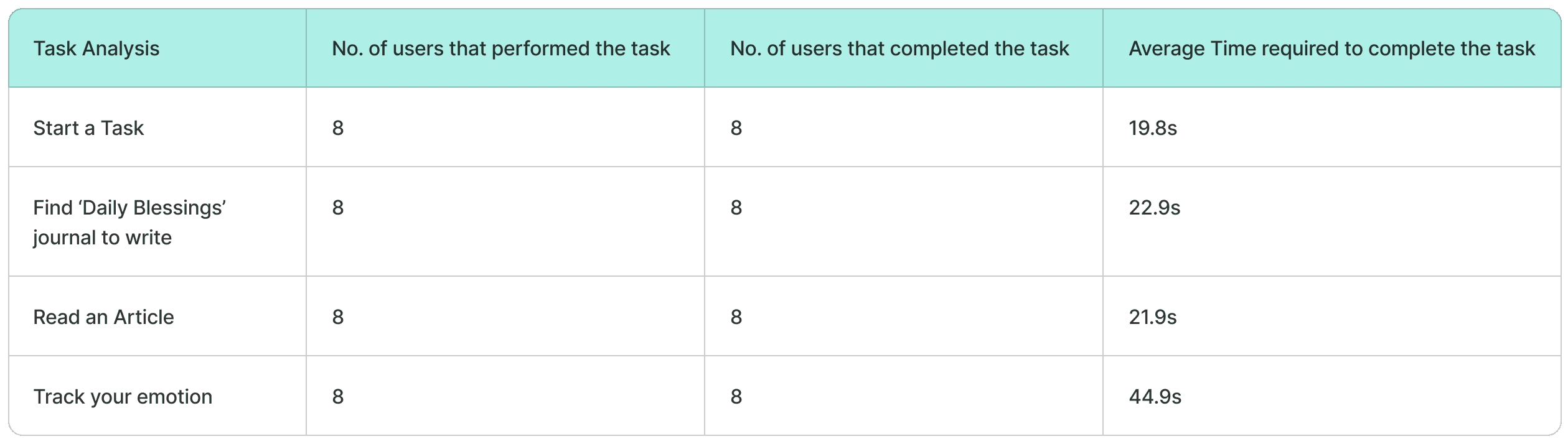
8 users were recruited for the usability testing for the following tasks. We performed User Task Analysis and System Usability Scale (SUS).
Task Analysis
Task Analysis
Task Analysis
Task Analysis
We have performed a task analysis to validate and check the proposed solution. The formula used for checking the average time taken by the users for each task is as follows
Task Time =
Task Time =
Task Time =
Task Time =
Time(user1) + Time(user2) +...+ Time(userN)
Total number of users

System Usability Scale(SUS)
The System Usability Scale (SUS) is a widely used tool to evaluate the usability of a system through a quick 10-item questionnaire, providing a reliable measure of user satisfaction. A total of 6 participants were recruited to complete the SUS questionnaire after using the system for a predefined task. After completing the task on the platform, participants were asked to fill out the SUS questionnaire.
The system achieved an average SUS score of 83.44, with scores ranging from 70 to 90, indicating a generally positive usability experience. According to established SUS guidelines, a score of 83.44 is above the industry average, a score of 68, suggests that the system is perceived as usable by participants. The above-average SUS score highlights the system's user-friendly design, making it suitable for a diverse user base with varying levels of technical expertise.

The System Usability Scale (SUS) is a widely used tool to evaluate the usability of a system through a quick 10-item questionnaire, providing a reliable measure of user satisfaction. A total of 6 participants were recruited to complete the SUS questionnaire after using the system for a predefined task. After completing the task on the platform, participants were asked to fill out the SUS questionnaire.
The system achieved an average SUS score of 83.44, with scores ranging from 70 to 90, indicating a generally positive usability experience. According to established SUS guidelines, a score of 83.44 is above the industry average, a score of 68, suggests that the system is perceived as usable by participants. The above-average SUS score highlights the system's user-friendly design, making it suitable for a diverse user base with varying levels of technical expertise.
The System Usability Scale (SUS) is a widely used tool to evaluate the usability of a system through a quick 10-item questionnaire, providing a reliable measure of user satisfaction. A total of 6 participants were recruited to complete the SUS questionnaire after using the system for a predefined task. After completing the task on the platform, participants were asked to fill out the SUS questionnaire.
The system achieved an average SUS score of 83.44, with scores ranging from 70 to 90, indicating a generally positive usability experience. According to established SUS guidelines, a score of 83.44 is above the industry average, a score of 68, suggests that the system is perceived as usable by participants. The above-average SUS score highlights the system's user-friendly design, making it suitable for a diverse user base with varying levels of technical expertise.
The System Usability Scale (SUS) is a widely used tool to evaluate the usability of a system through a quick 10-item questionnaire, providing a reliable measure of user satisfaction. A total of 6 participants were recruited to complete the SUS questionnaire after using the system for a predefined task. After completing the task on the platform, participants were asked to fill out the SUS questionnaire.
The system achieved an average SUS score of 83.44, with scores ranging from 70 to 90, indicating a generally positive usability experience. According to established SUS guidelines, a score of 83.44 is above the industry average, a score of 68, suggests that the system is perceived as usable by participants. The above-average SUS score highlights the system's user-friendly design, making it suitable for a diverse user base with varying levels of technical expertise.

Refinement
Refinement
Refinement
Implementation
Implementation
Implementation
Implementation
The design changes went through multiple iterations based on user feedback. Beyond functionality, small tweaks were made to improve the visual appeal of the screens, to make the app more engaging and motivating for users.
The refined features were tested again with the users, and their feedback confirmed that the changes addressed the previous issues effectively.
The design changes went through multiple iterations based on user feedback. Beyond functionality, small tweaks were made to improve the visual appeal of the screens, to make the app more engaging and motivating for users.
The refined features were tested again with the users, and their feedback confirmed that the changes addressed the previous issues effectively.
The design changes went through multiple iterations based on user feedback. Beyond functionality, small tweaks were made to improve the visual appeal of the screens, to make the app more engaging and motivating for users.
The refined features were tested again with the users, and their feedback confirmed that the changes addressed the previous issues effectively.
The design changes went through multiple iterations based on user feedback. Beyond functionality, small tweaks were made to improve the visual appeal of the screens, to make the app more engaging and motivating for users.
The refined features were tested again with the users, and their feedback confirmed that the changes addressed the previous issues effectively.
Refining the Onboarding Process
Feedback from Users
Feedback from Users
Feedback from Users
Feedback from Users
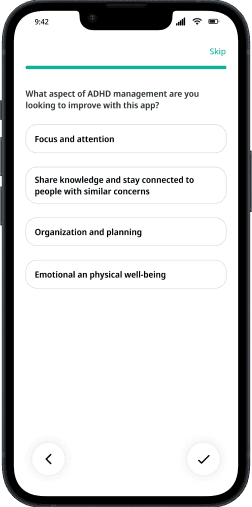
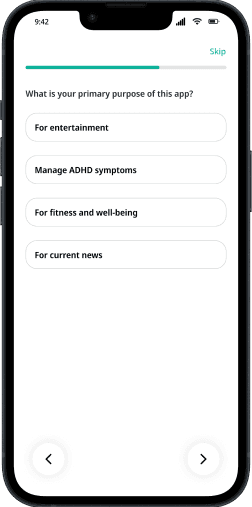
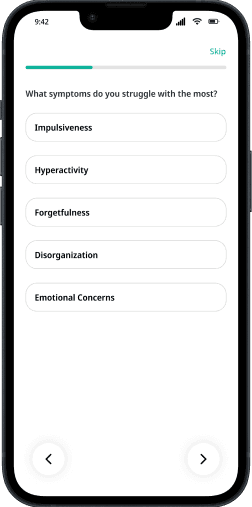
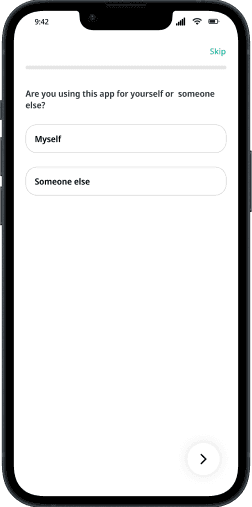
Users felt that the onboarding process was too generic and didn’t seem focused on their condition, making it harder to deliver personalized results and recommendations to users.
Action Taken
Action Taken
Action Taken
Action Taken
Specific ADHD-related questions were added during onboarding to ensure that the app gathers more relevant data. These questions focused on understanding users' symptoms, challenges, and behavior patterns.



Enhanced Emotion Tracking Feature
Feedback from Users
Feedback from Users
Feedback from Users
Feedback from Users
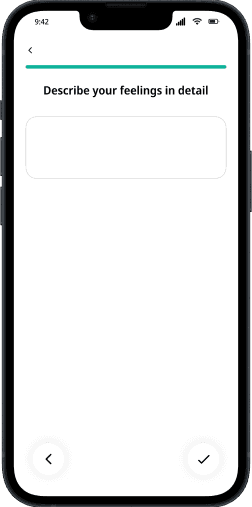
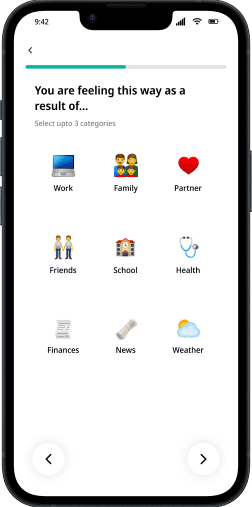
Users expressed that while identifying emotions was helpful, the experience lacked depth, this made the tracking less insightful and less useful for mental health management.
Action Taken
Action Taken
Action Taken
Action Taken
Additional screens were added to let users
Select for feeling a certain way (e.g., work pressure, relationship issues, health concerns).
Explain their emotions in more detail using optional text or voice inputs.
Additional screens were added to let users
Select for feeling a certain way (e.g., work pressure, relationship issues, health concerns).
Explain their emotions in more detail using optional text or voice inputs.
Additional screens were added to let users
Select for feeling a certain way (e.g., work pressure, relationship issues, health concerns).
Explain their emotions in more detail using optional text or voice inputs.
Additional screens were added to let users
Select for feeling a certain way (e.g., work pressure, relationship issues, health concerns).
Explain their emotions in more detail using optional text or voice inputs.



Interactive Prototype
Key Learnings
Key Learnings
Key Learnings
Key Learnings

User-Centric Design is Crucial for Niche Audiences
Designing for users with ADHD required a deep understanding of their unique needs, challenges, and behaviors.
Standard UX practices were not always sufficient; the app had to cater to ADHD-specific pain points.
The importance of conducting detailed research to understand the target audience's needs and integrating that understanding into every design decision was highlighted.
Designing for users with ADHD required a deep understanding of their unique needs, challenges, and behaviors.
Standard UX practices were not always sufficient; the app had to cater to ADHD-specific pain points.
The importance of conducting detailed research to understand the target audience's needs and integrating that understanding into every design decision was highlighted.
Designing for users with ADHD required a deep understanding of their unique needs, challenges, and behaviors.
Standard UX practices were not always sufficient; the app had to cater to ADHD-specific pain points.
The importance of conducting detailed research to understand the target audience's needs and integrating that understanding into every design decision was highlighted.
Designing for users with ADHD required a deep understanding of their unique needs, challenges, and behaviors.
Standard UX practices were not always sufficient; the app had to cater to ADHD-specific pain points.
The importance of conducting detailed research to understand the target audience's needs and integrating that understanding into every design decision was highlighted.
The Role of Technology in Mental Health Management
The project reinforced the idea that digital tools can play a significant role in mental health management.
By enabling users to track emotions, reflect on mental states, and provide actionable insights, the app demonstrated how technology can empower individuals to take control of their mental health.

The project reinforced the idea that digital tools can play a significant role in mental health management.
By enabling users to track emotions, reflect on mental states, and provide actionable insights, the app demonstrated how technology can empower individuals to take control of their mental health.
The project reinforced the idea that digital tools can play a significant role in mental health management.
By enabling users to track emotions, reflect on mental states, and provide actionable insights, the app demonstrated how technology can empower individuals to take control of their mental health.
The project reinforced the idea that digital tools can play a significant role in mental health management.
By enabling users to track emotions, reflect on mental states, and provide actionable insights, the app demonstrated how technology can empower individuals to take control of their mental health.

Balancing Simplicity with Depth
Users with ADHD often prefer simple and intuitive designs due to their challenges with focus and attention. Clear layouts, progress indicators, and micro-interactions helped users navigate the app with ease. This reinforced the understanding that accessibility in design isn’t just about physical disabilities but also cognitive and emotional needs.


Challenges of Designing for Cognitive Disorders
Users with ADHD may become easily distracted or overwhelmed. This taught the importance of limiting cognitive load in the app by:
Breaking down tasks into smaller steps.
Avoiding excessive text or clutter.
Ensuring features are easy to find and use without requiring too much mental effort.
Users with ADHD may become easily distracted or overwhelmed. This taught the importance of limiting cognitive load in the app by:
Breaking down tasks into smaller steps.
Avoiding excessive text or clutter.
Ensuring features are easy to find and use without requiring too much mental effort.
Users with ADHD may become easily distracted or overwhelmed. This taught the importance of limiting cognitive load in the app by:
Breaking down tasks into smaller steps.
Avoiding excessive text or clutter.
Ensuring features are easy to find and use without requiring too much mental effort.
Users with ADHD may become easily distracted or overwhelmed. This taught the importance of limiting cognitive load in the app by:
Breaking down tasks into smaller steps.
Avoiding excessive text or clutter.
Ensuring features are easy to find and use without requiring too much mental effort.
Conclusion
Conclusion
Conclusion
Conclusion
We have examined the difficulties and underlying causes of Attention Deficit Hyperactivity Disorder (ADHD) in this case study because it is a complicated condition that needs a multimodal approach to treatment. The app seeks to improve time management, foster mindfulness and emotional regulation, provide a sense of community, and offer personalized support to the users. Ultimately, the application strives to contribute to the betterment of the quality of life for individuals with ADHD by addressing the root causes of the disorder and providing practical tools for self-management and support.

See What's Next
See What's Next
See What's Next