Catalyst
Catalyst
Unified College App
Project Overview
Catalyst is a mobile application designed to streamline the college experience by consolidating essential services into a single platform. It addresses pain points such as inefficiencies in accessing course materials, managing schedules, submitting assignments, participating in events, and handling administrative tasks like document requests. The project’s goal was to create a user-friendly, efficient, and engaging tool for students, improving their academic and campus life.
Team
Individual
Role
Researcher, Designer
Duration
3 months, 2023
Navigate the Solution
Knowledge at your fingertips!
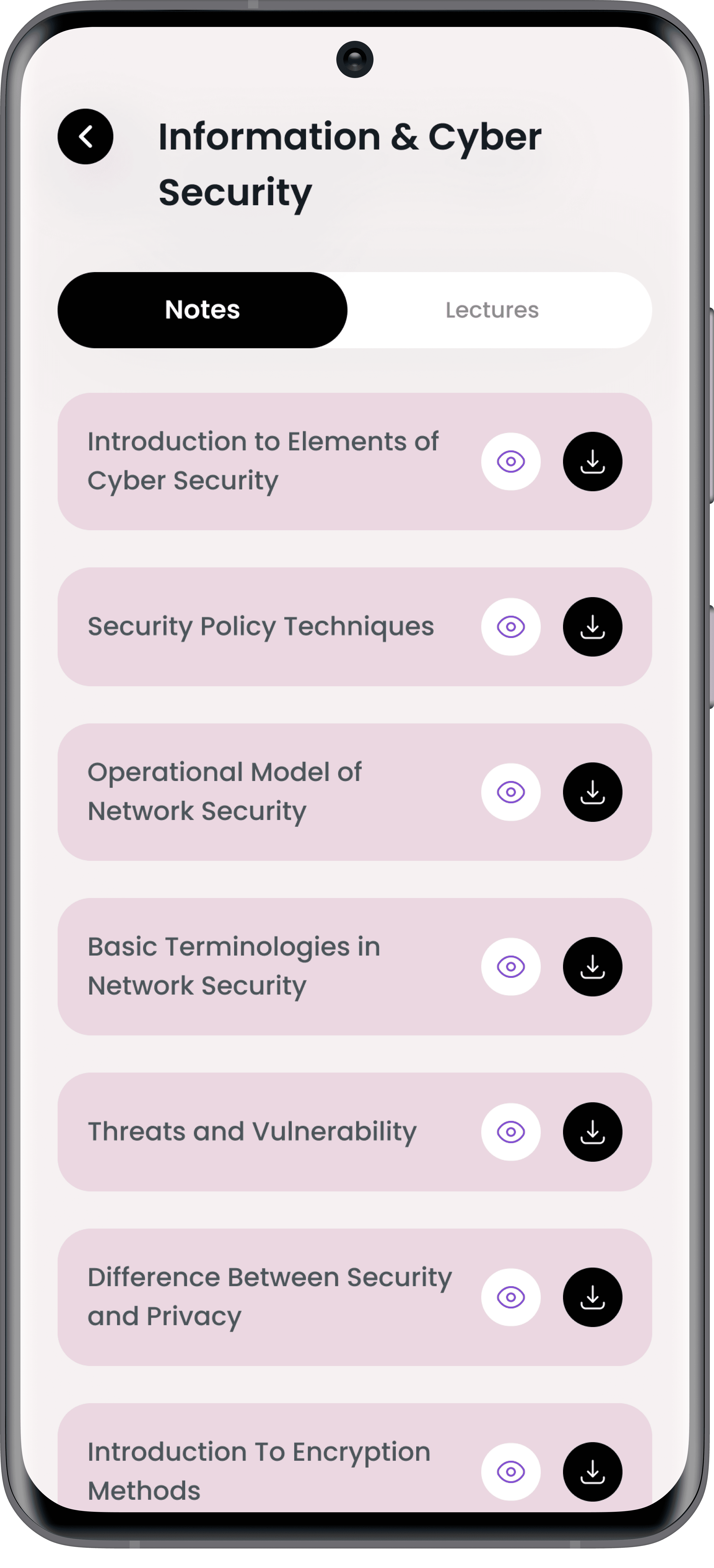
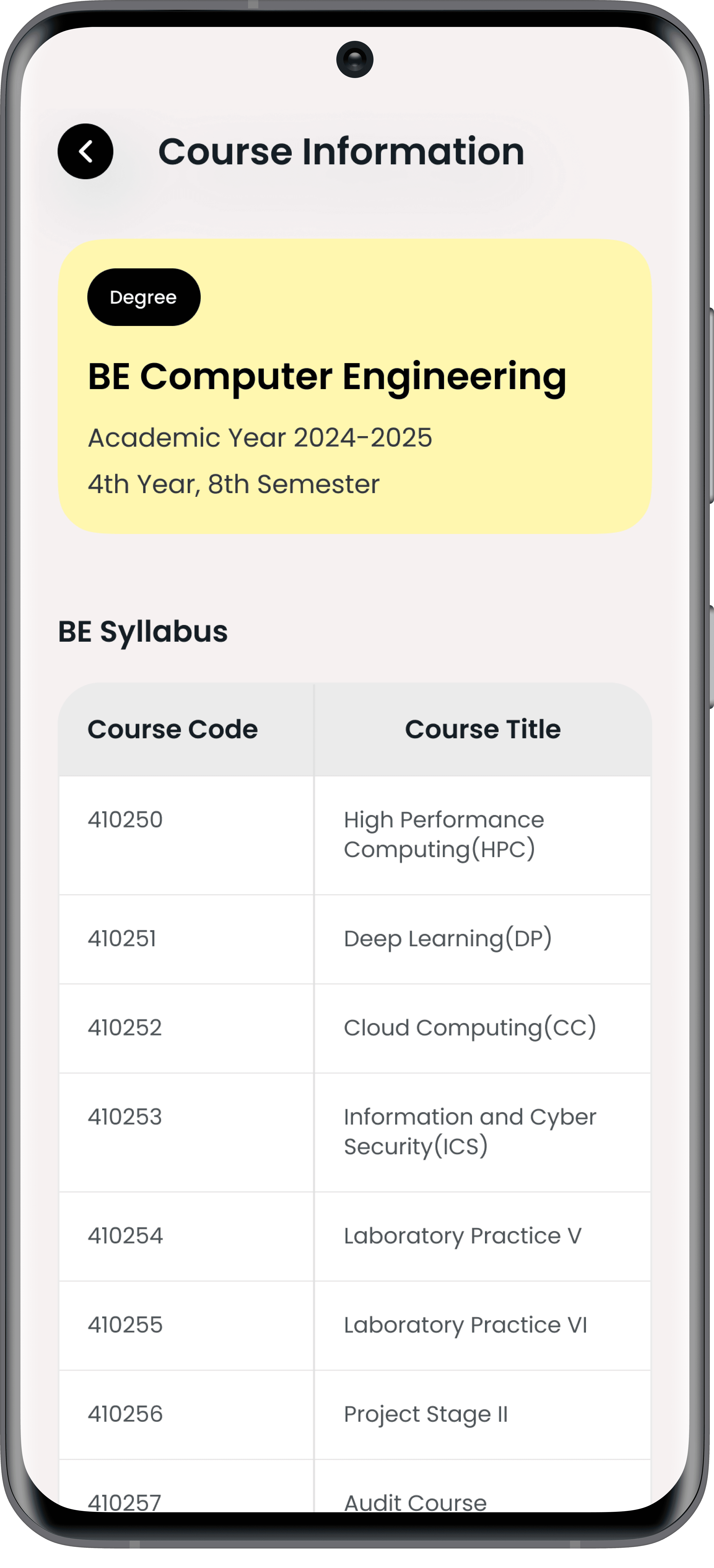
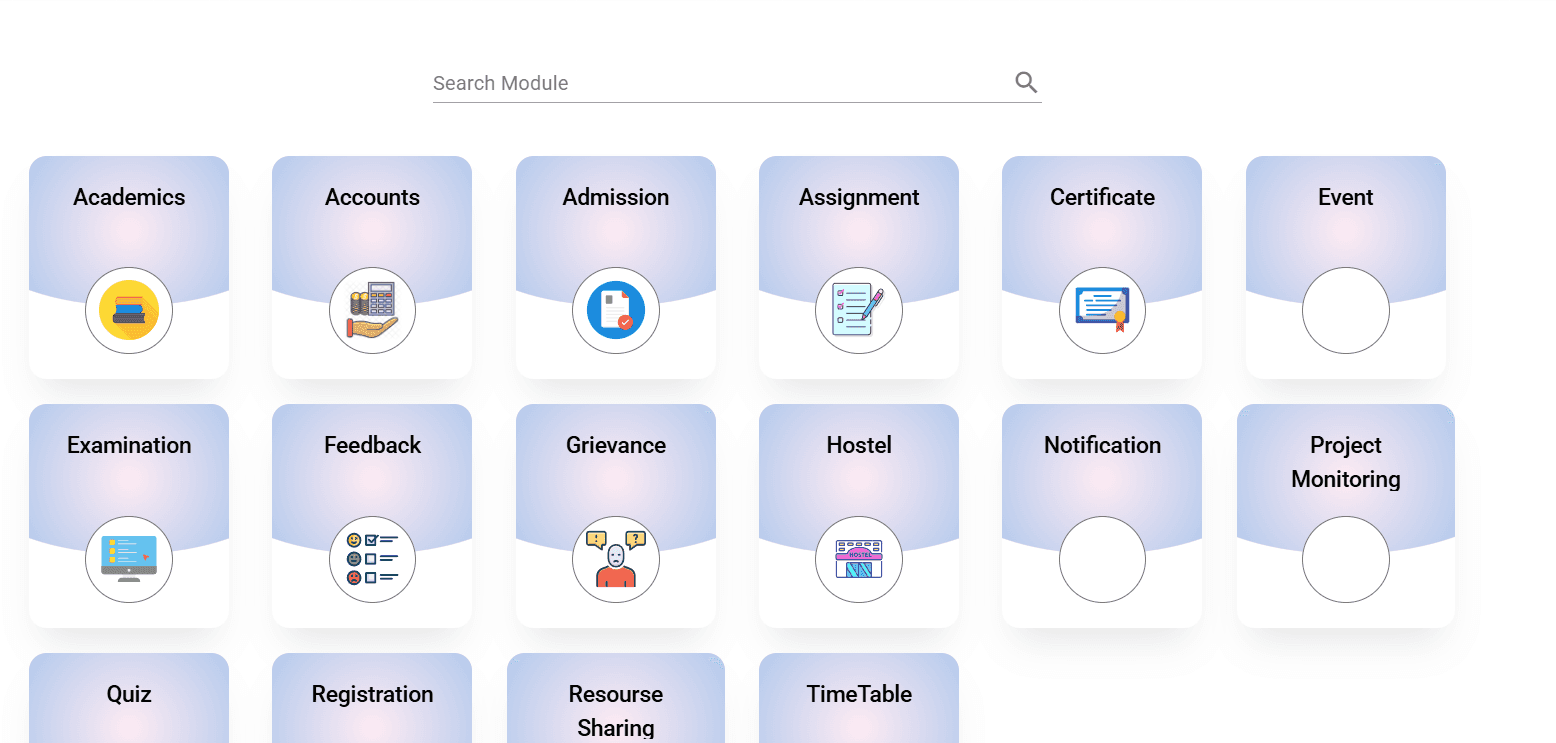
Access all your course materials and updates in one place. The course information module simplifies studying and staying updated.
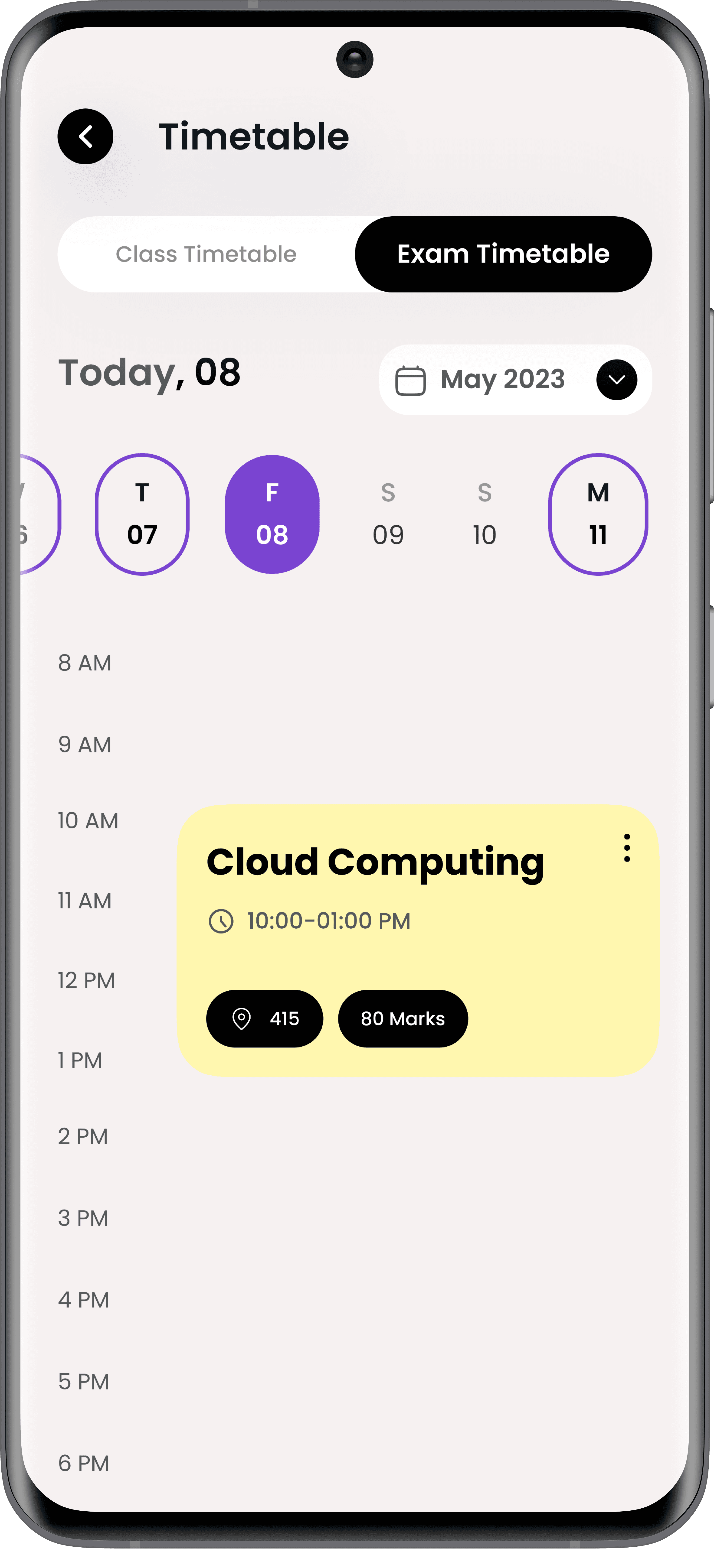
Your Day, Simplified!
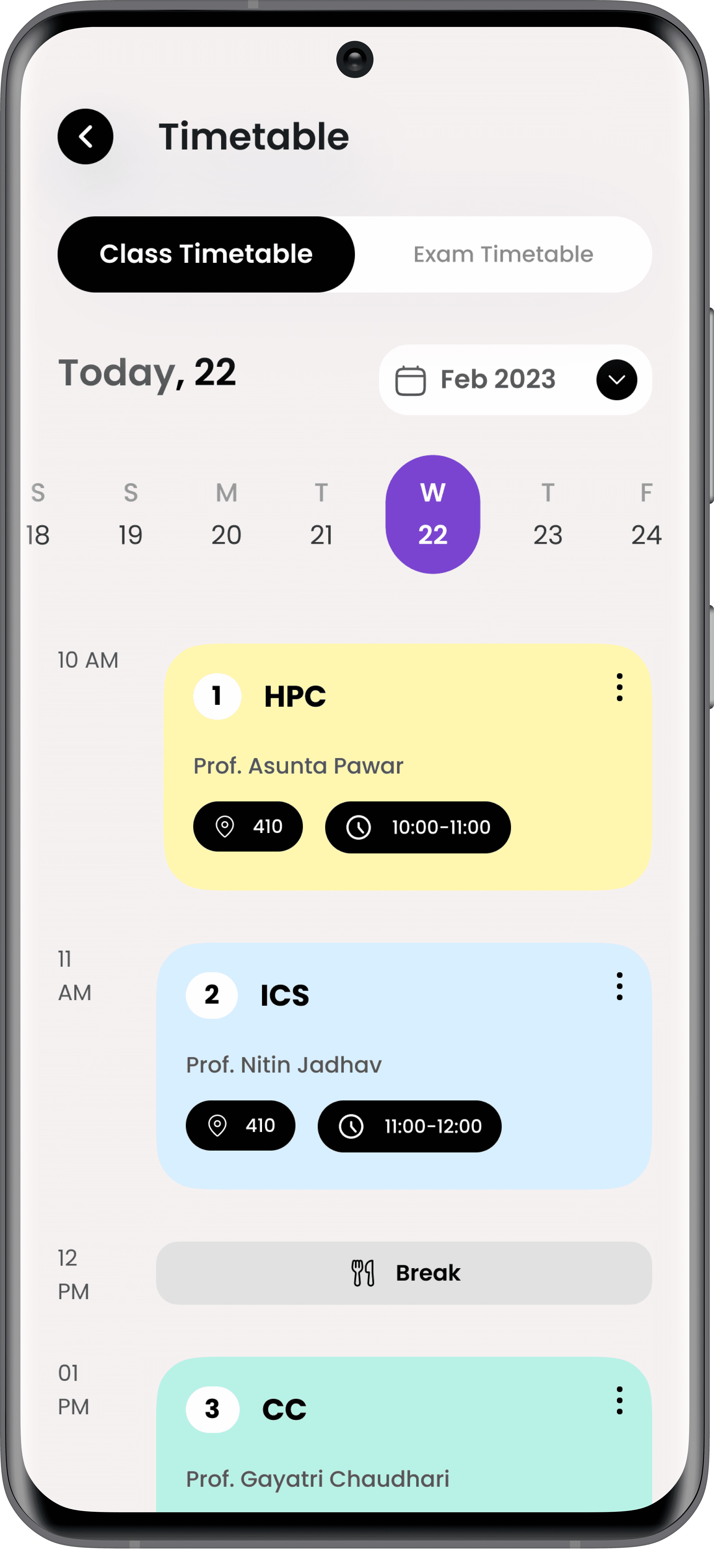
An interactive and personalized timetable provides students with real-time updates on classes and exams. The timetable adapts dynamically, ensuring that no important detail is missed.
Bye-Bye Deadline Panic!
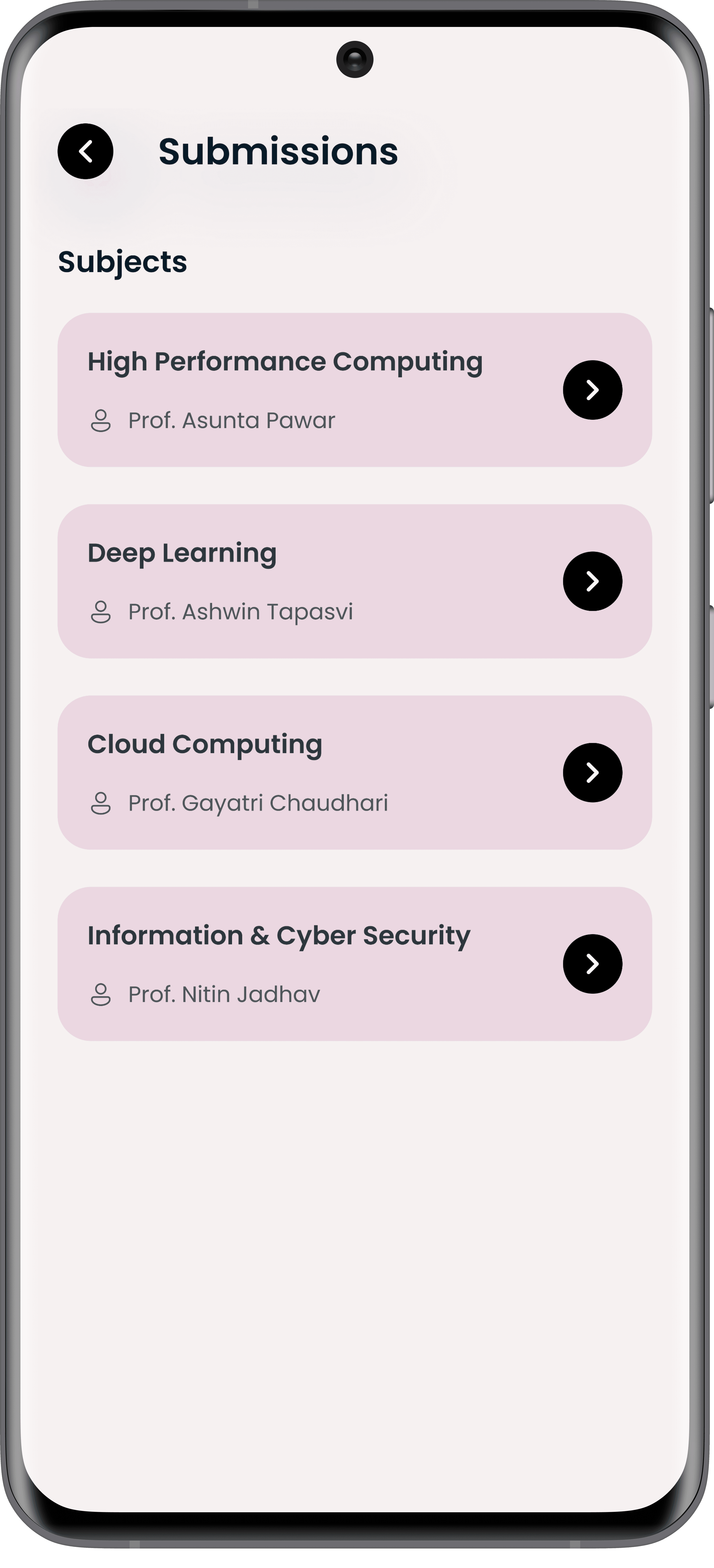
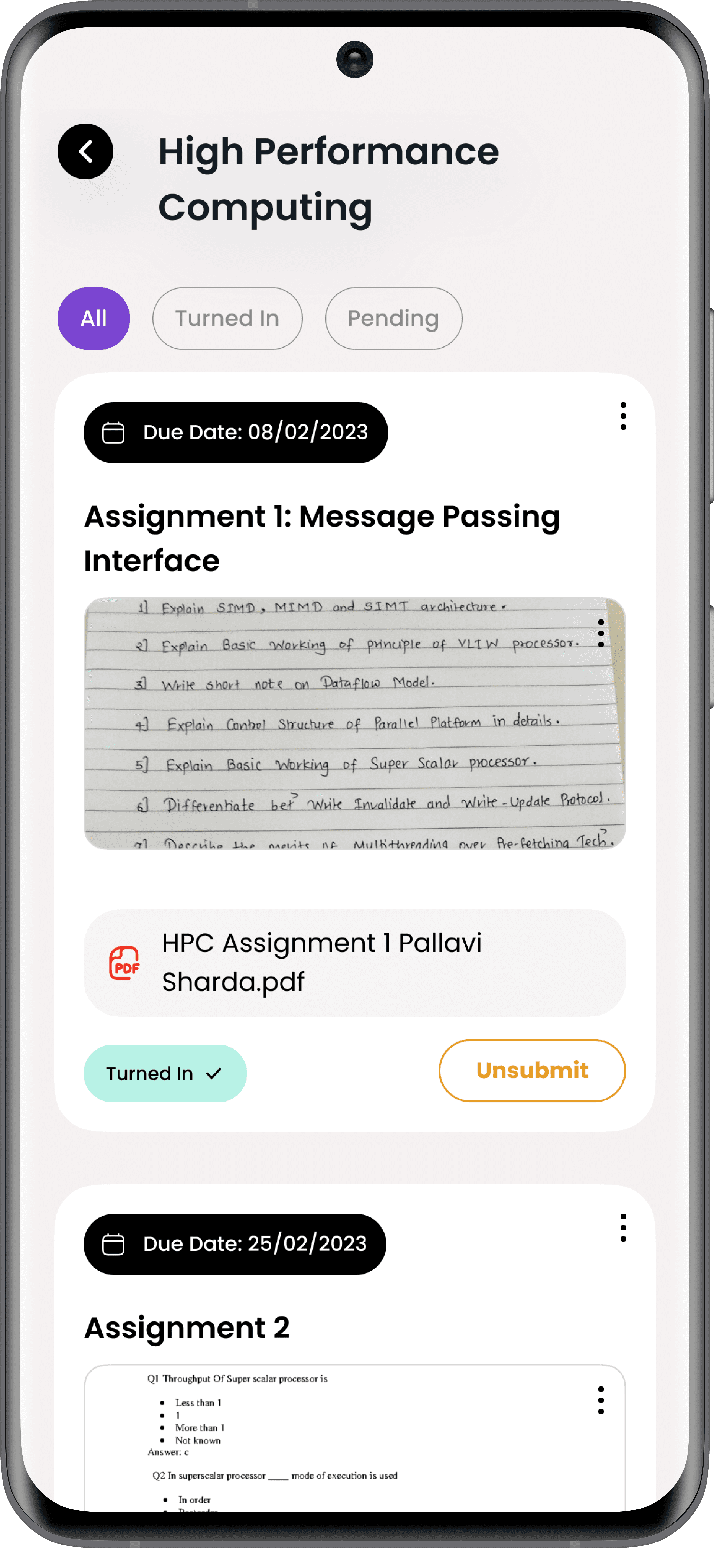
The submissions feature streamlines assignment and project submissions with built-in deadline tracking and notifications.
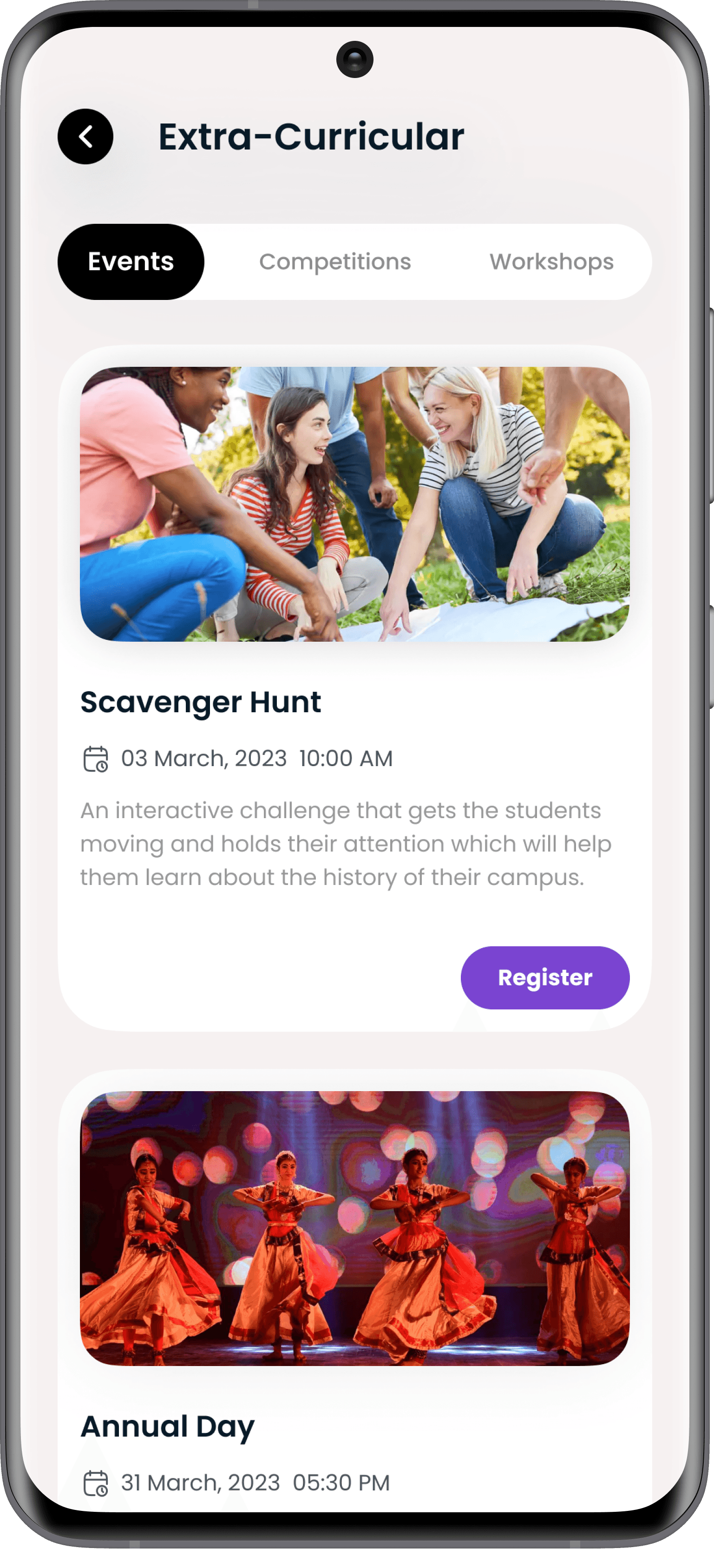

Never Miss Out!
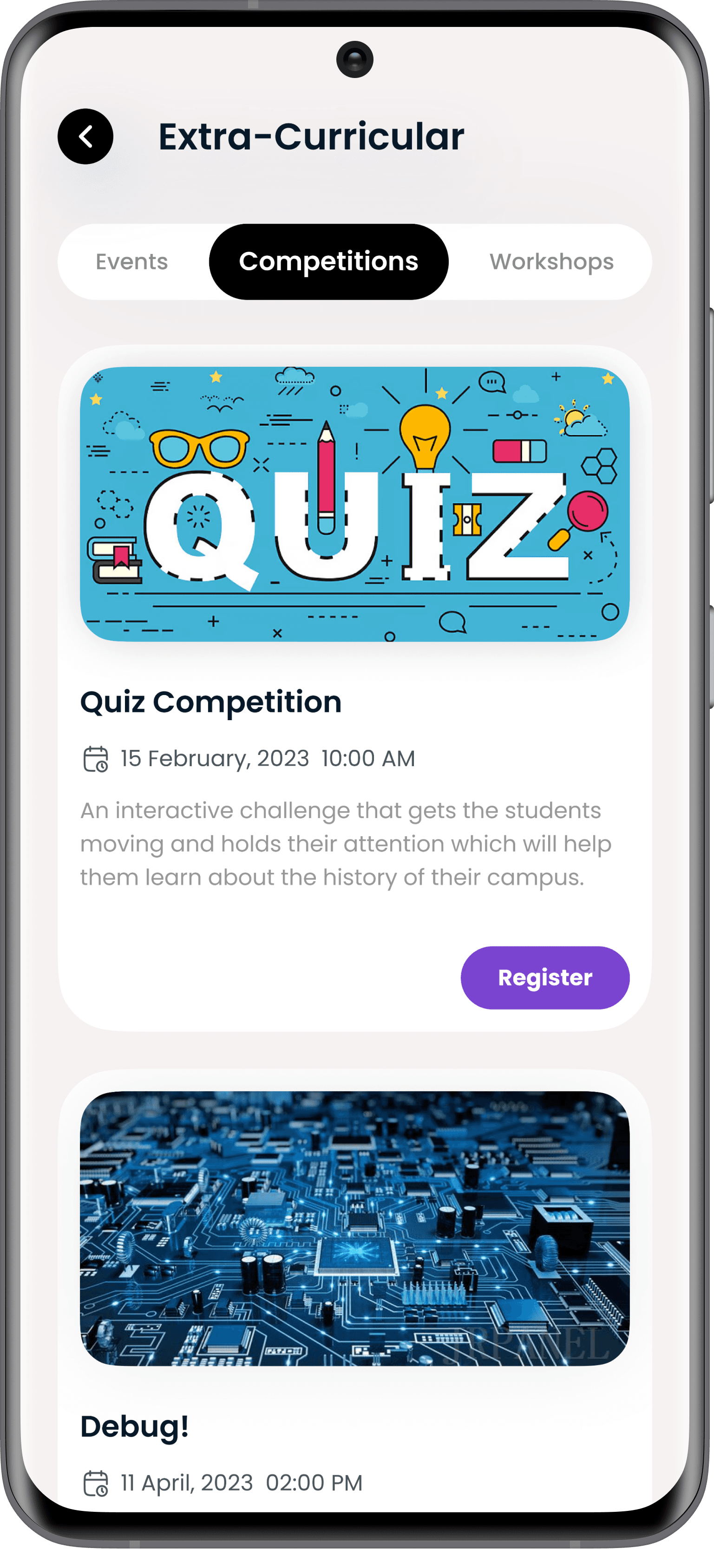
Stay in the loop with all college events, competitions, and workshops. Students can view event details, register, and receive timely updates directly within the app.
Paperwork Made Easy!
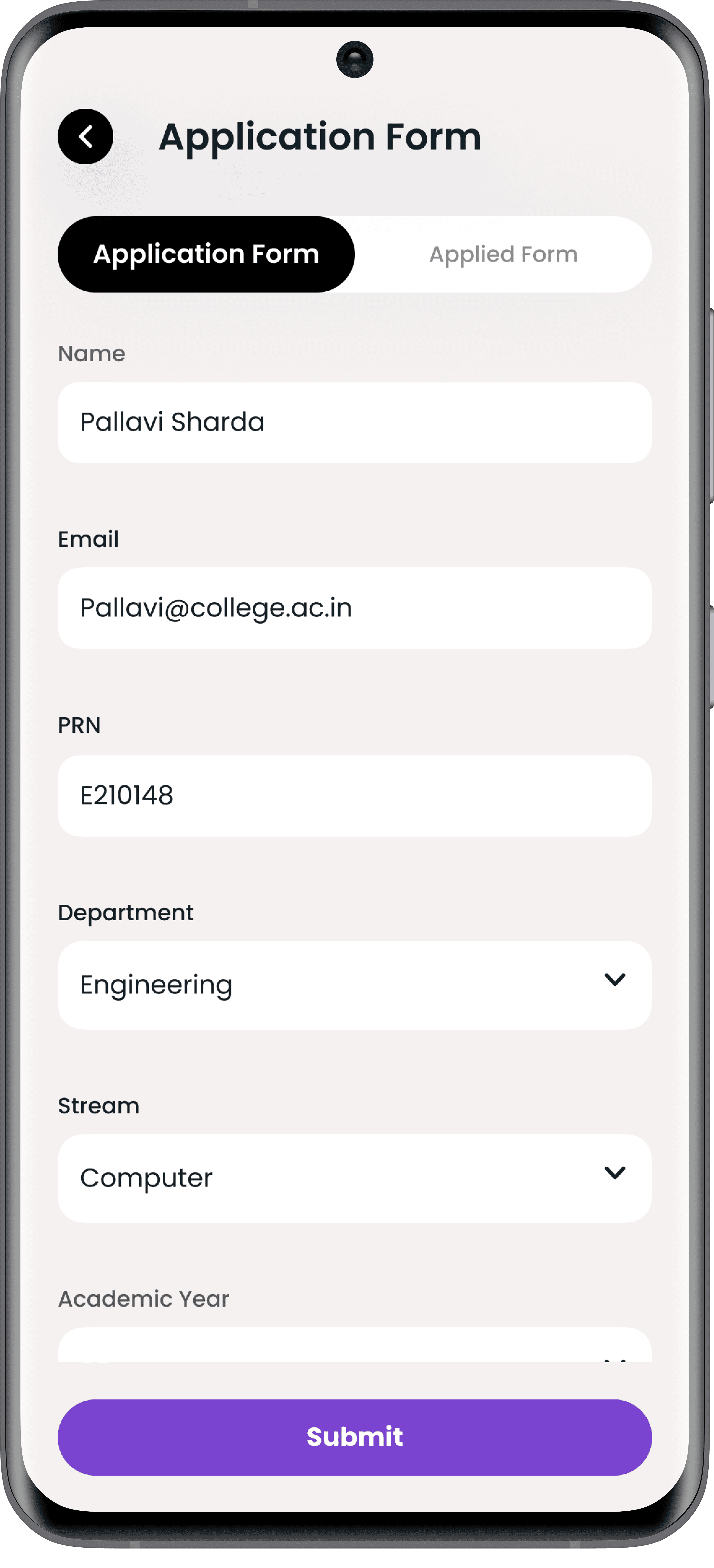
Forget the hassle of administrative tasks! This feature allows students to request transcripts, certificates, and other documents digitally, with real-time status tracking.
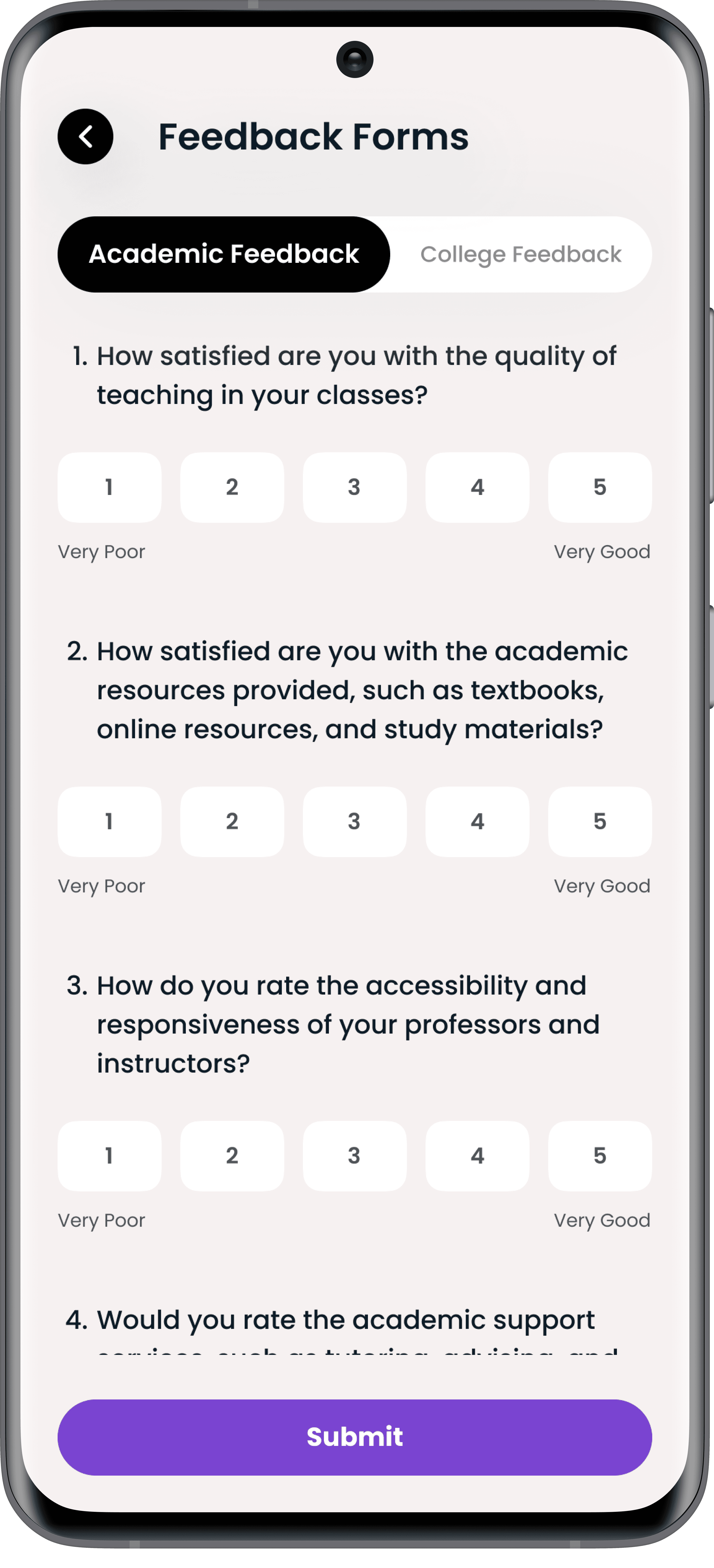
Your Voice Matters!
Catalyst integrates feedback mechanisms to enable students to provide constructive feedback on courses, professors, and campus services.
Problem Identification
Why Catalyst?
Modern college students face numerous challenges due to the reliance on multiple disjointed platforms, resulting in:
Missed Deadlines: Fragmented schedules and notifications lead to lapses in time management.
Limited Accessibility: Difficulty finding and accessing essential course materials and event details.
Administrative Inefficiency: Tedious processes for document requests and approvals.
Lack of Feedback Mechanisms: No centralized system for voicing concerns or suggestions about college services.
These pain points underscore the need for a unified platform that addresses the complexities of modern student life while promoting efficiency and engagement.
Primary Research
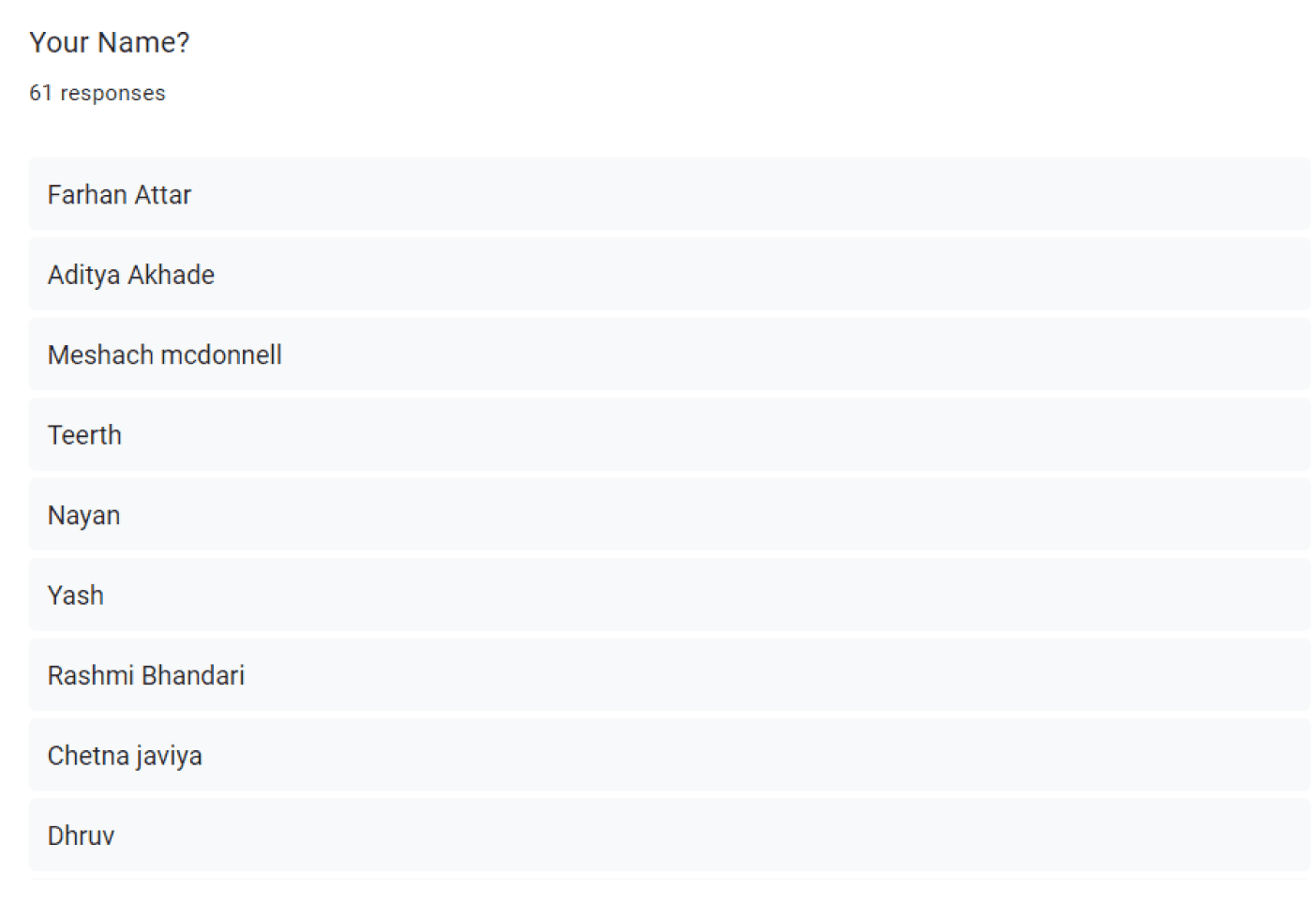
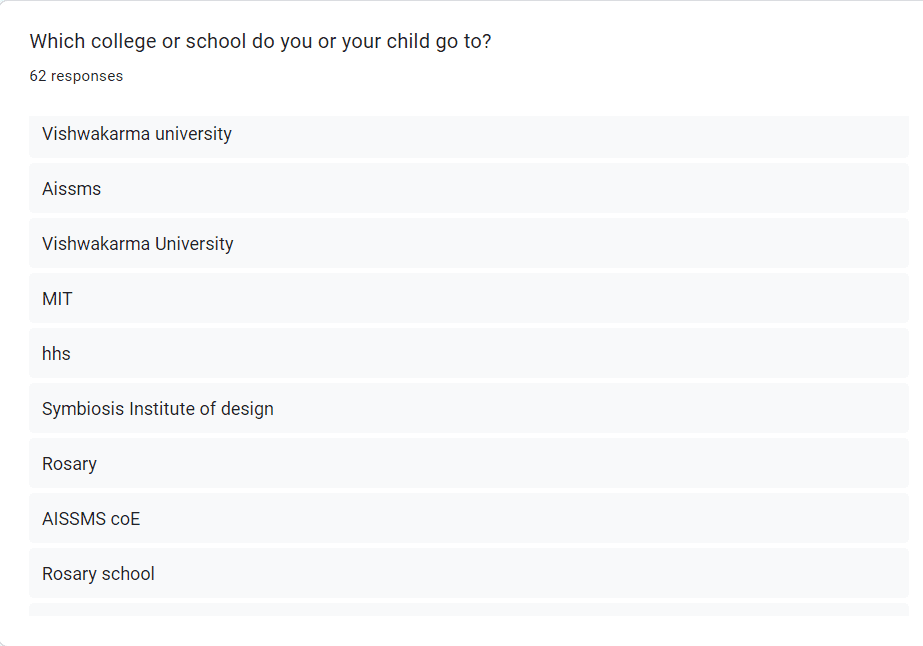
To ensure that Catalyst was designed to meet the real needs of students, we conducted extensive primary research. 30 students from diverse academic backgrounds shared their daily challenges and expectations.
Secondary Research
Secondary research included a thorough analysis of existing academic management tools, identifying gaps and opportunities for improvement:
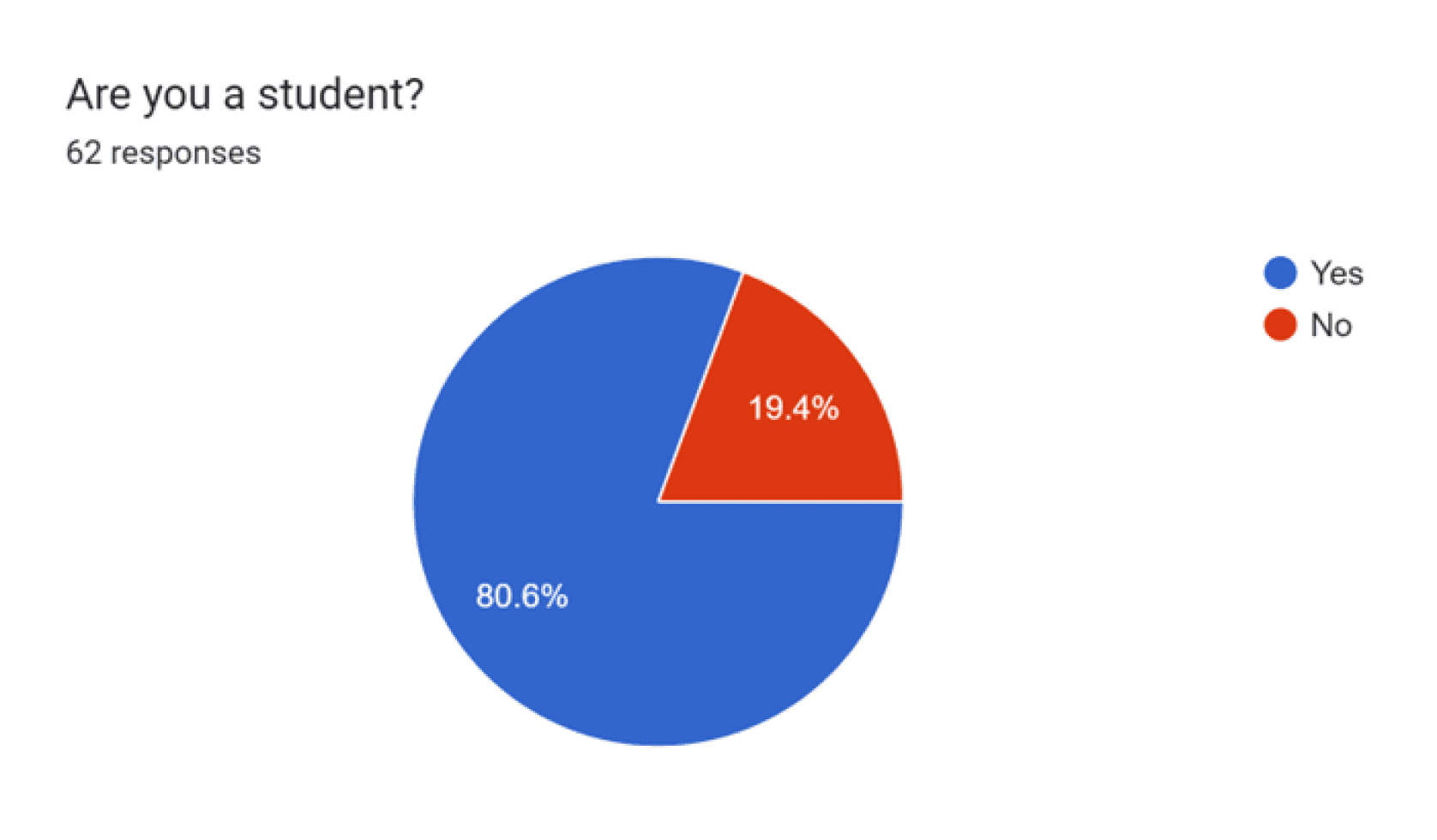
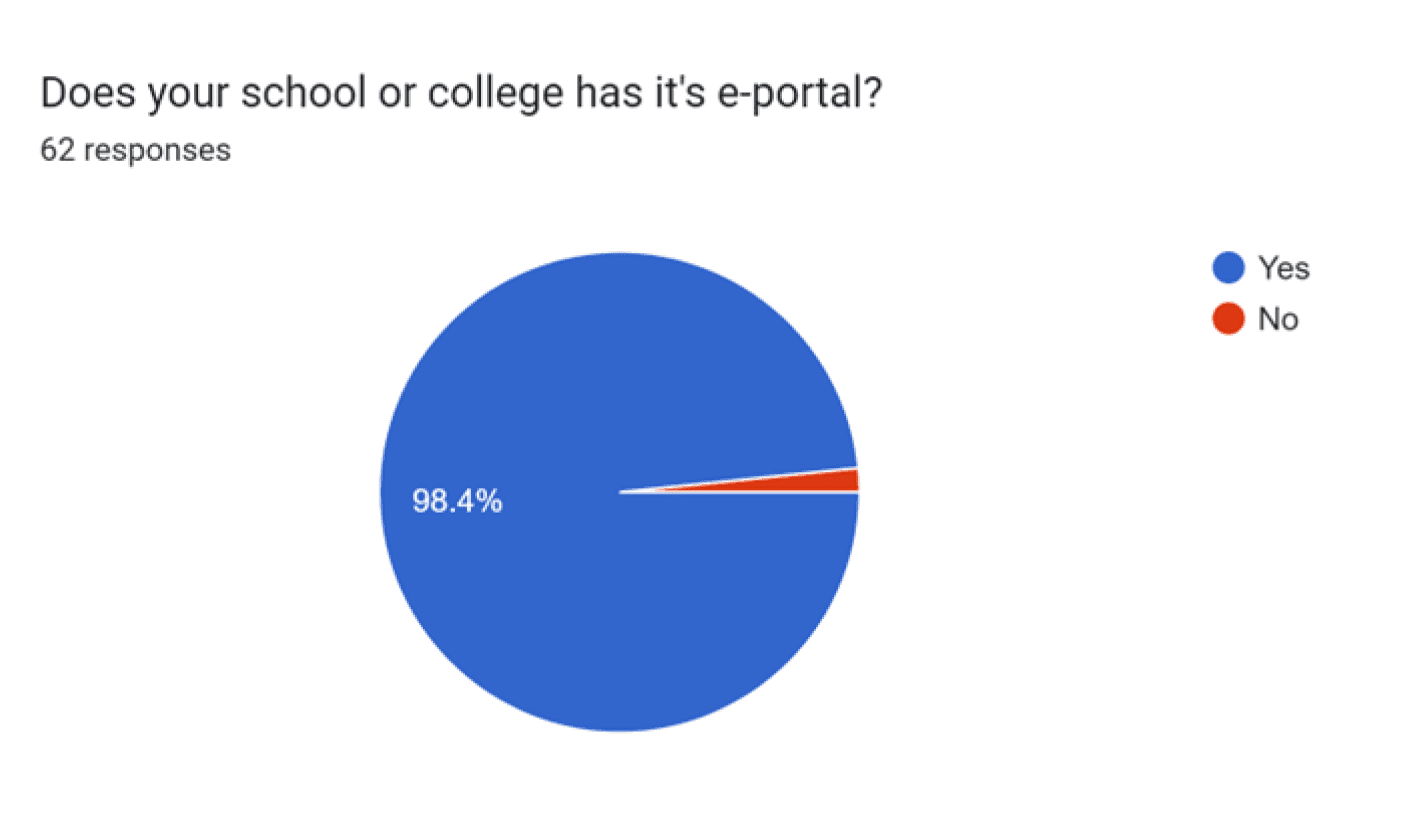
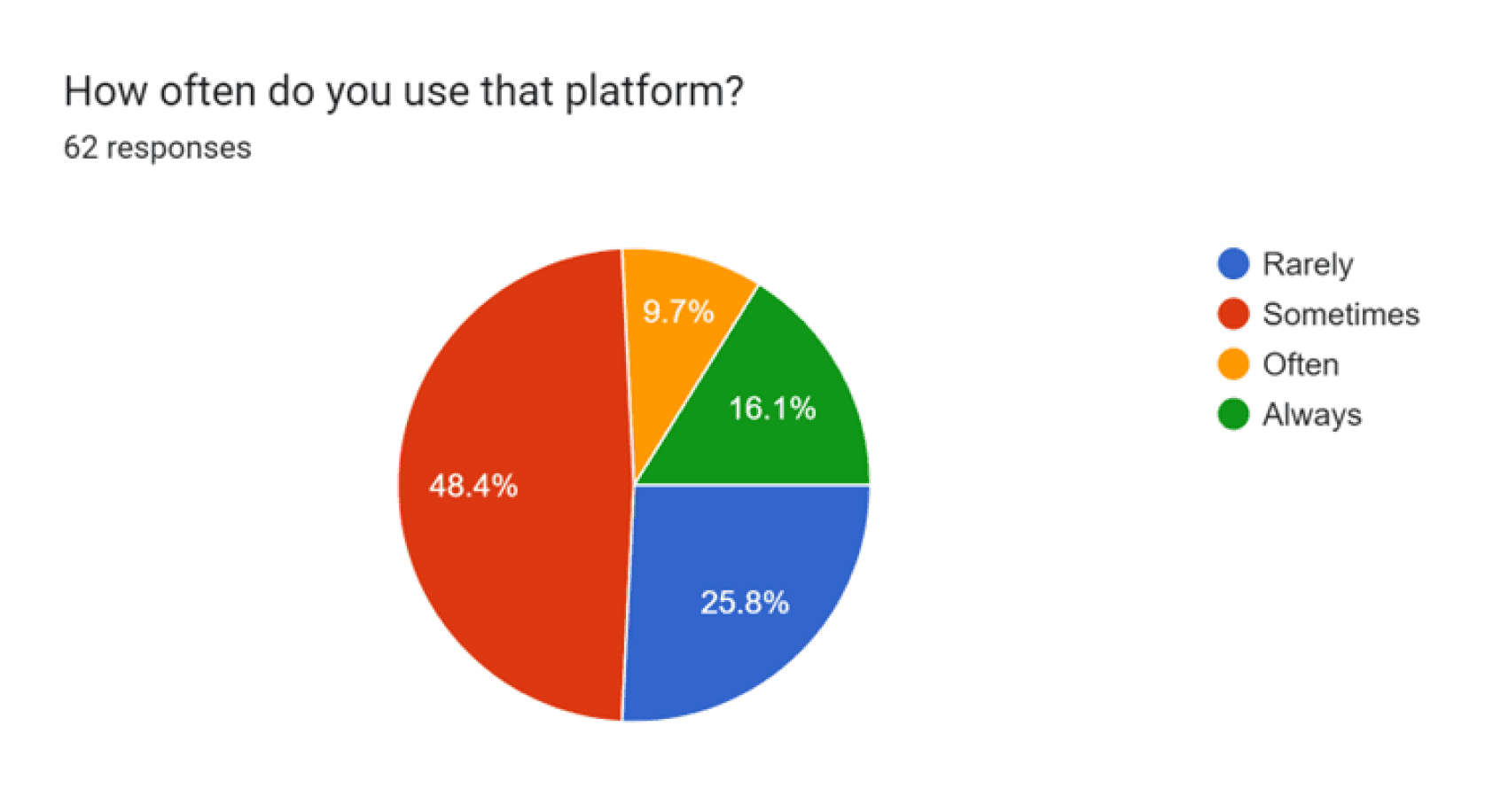
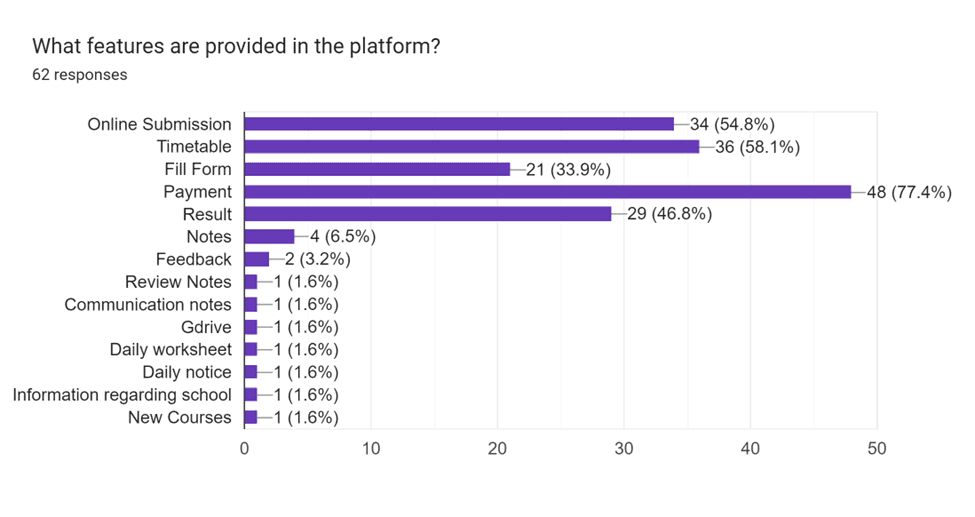
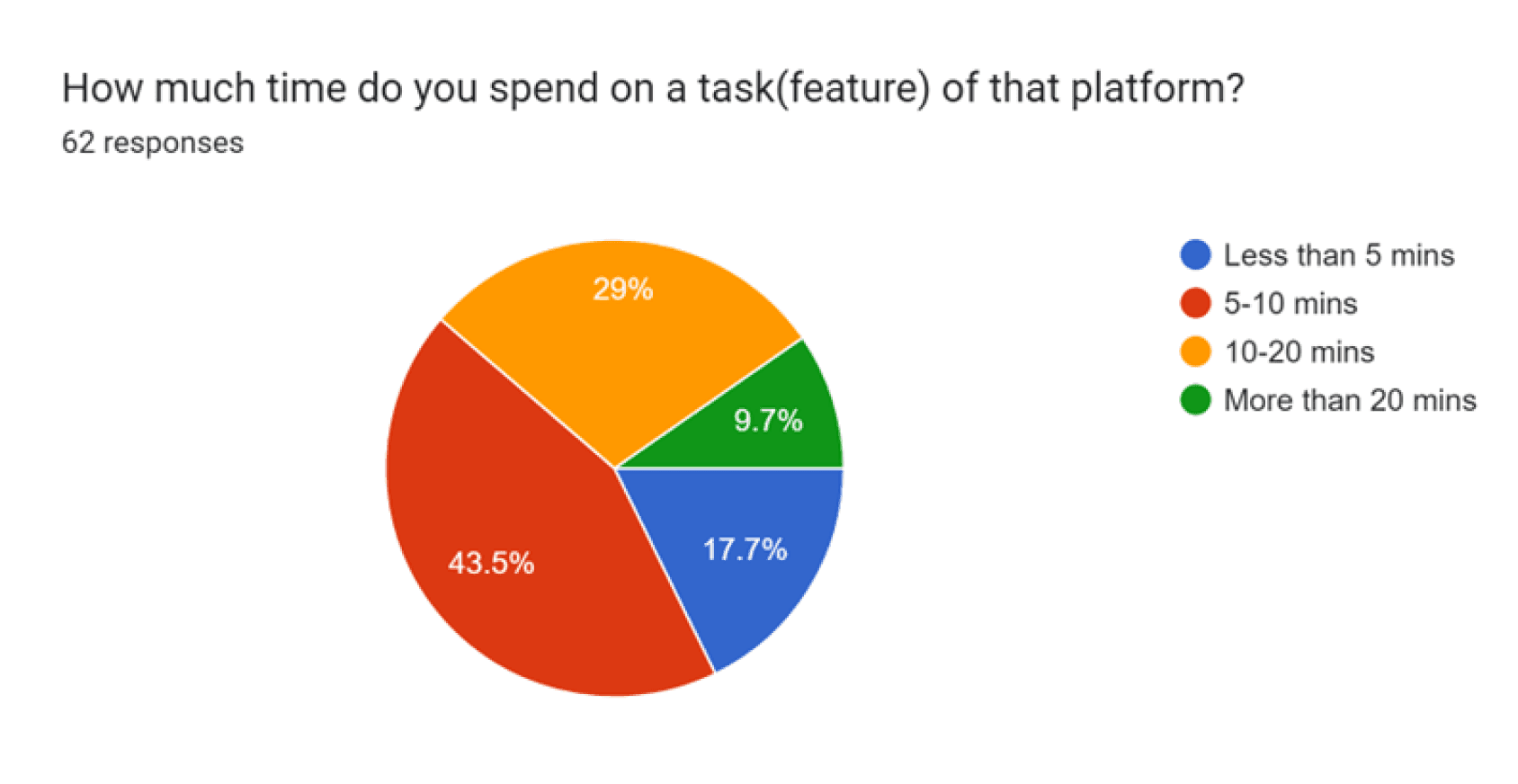
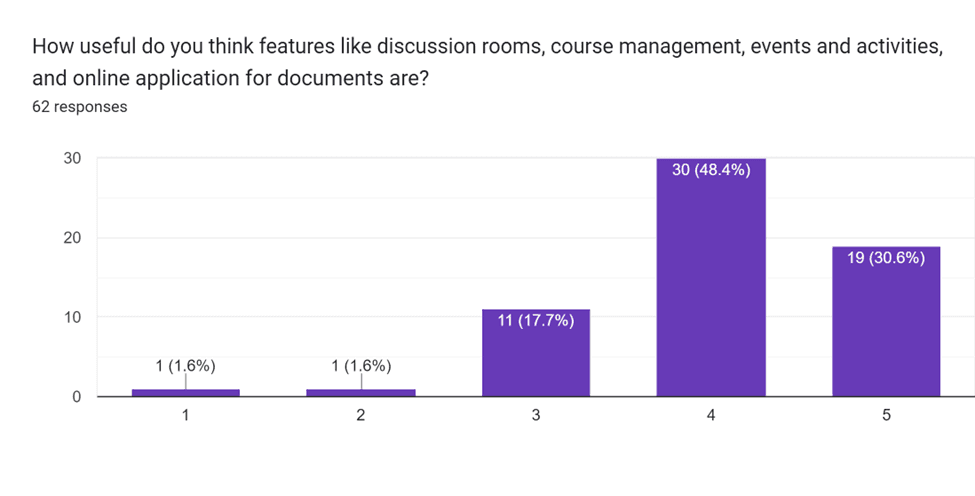
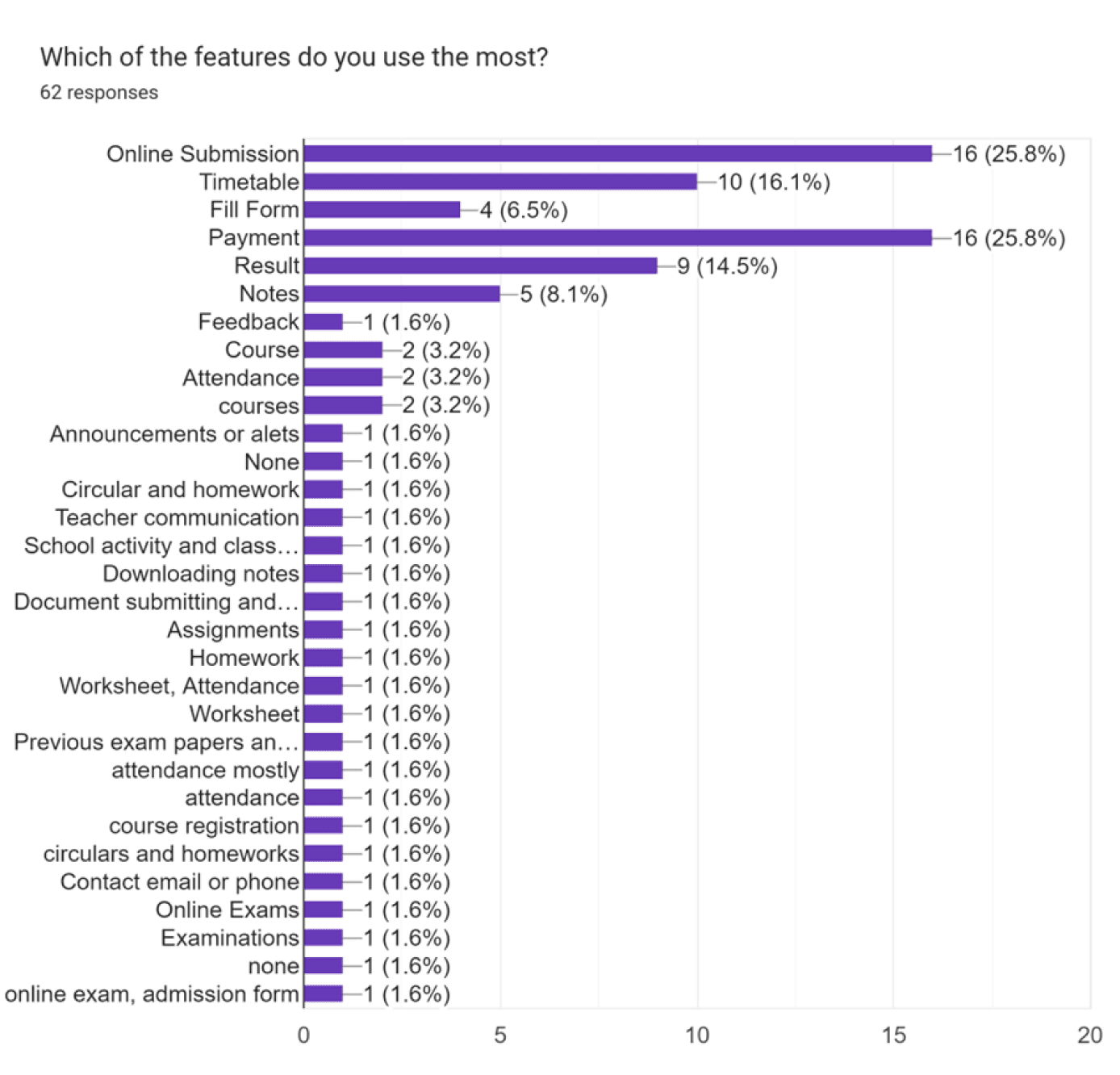
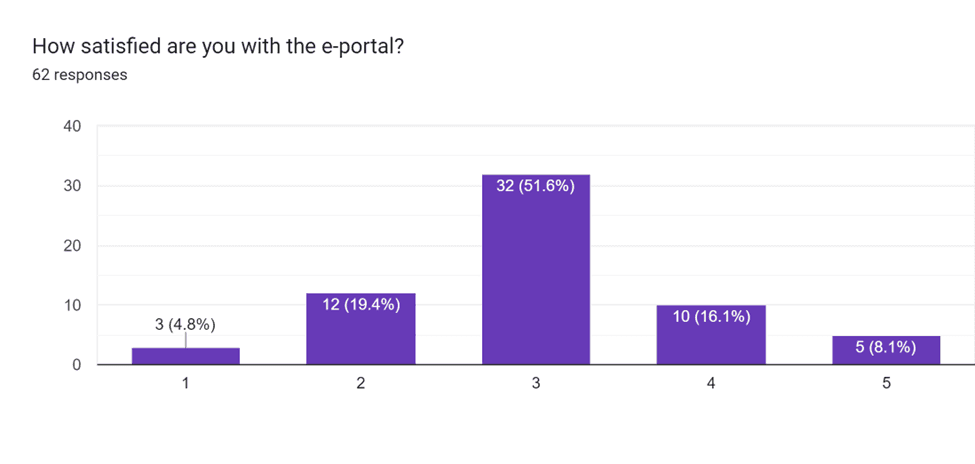
Key Insights

8.1%
only are fully satisfied.
More than 50% want many changes to the portal
85%
Students expressed frustration with juggling multiple platforms

Indicated that a centralized timetable and submission system was a top priority


Event registrations were often missed due to poor communication and inconsistent updates.
Design Brief
Overview
Design a college portal for students that allows them to access all the necessary information related to their academics, extracurricular activities, and reach their requirements in a convenient and efficient manner.
Objective
To provide students relevant information and access to various resources like class schedules, course materials, announcements, etc.
A platform where students will be able to register to different events such as workshops, guest lectures, competitions, etc.
Notifications of upcoming events, submissions, holidays, exams, etc.
Target Audience
Students
Staff
Persona
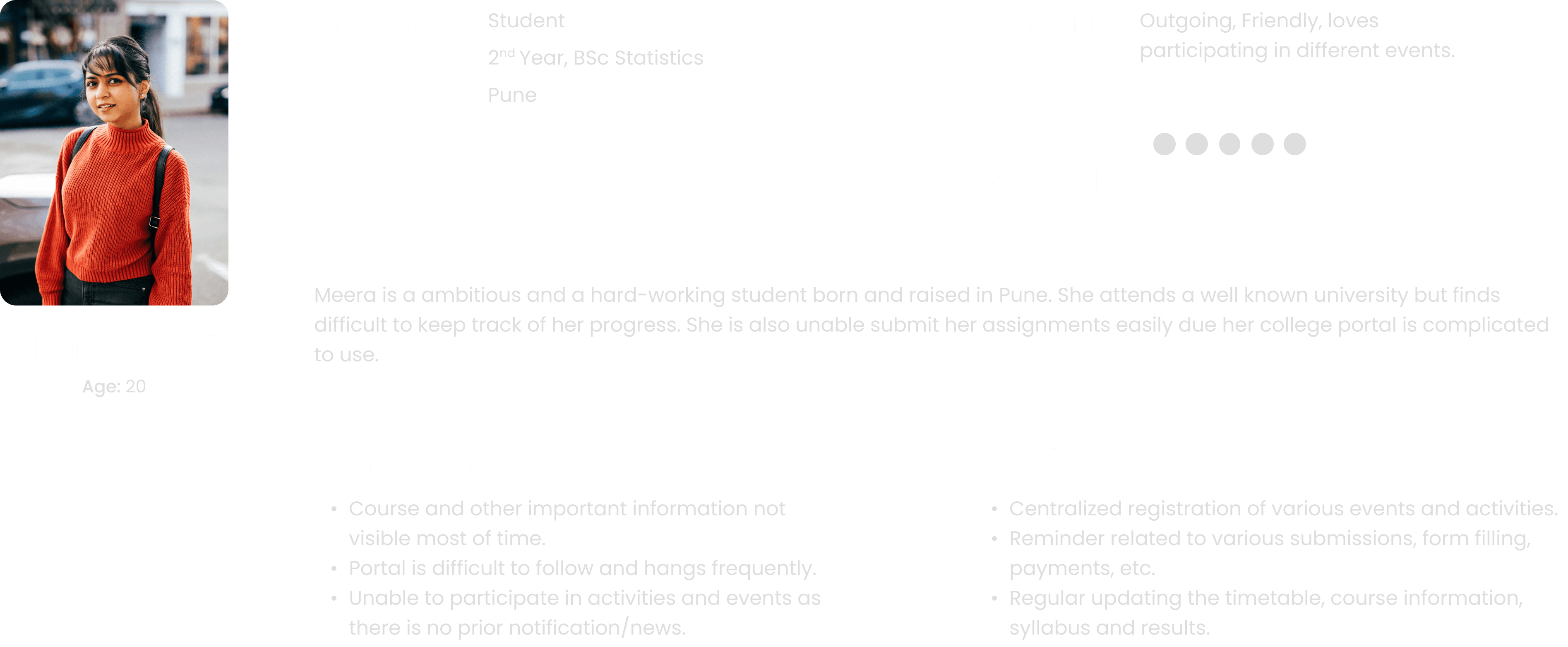
Customer Journey
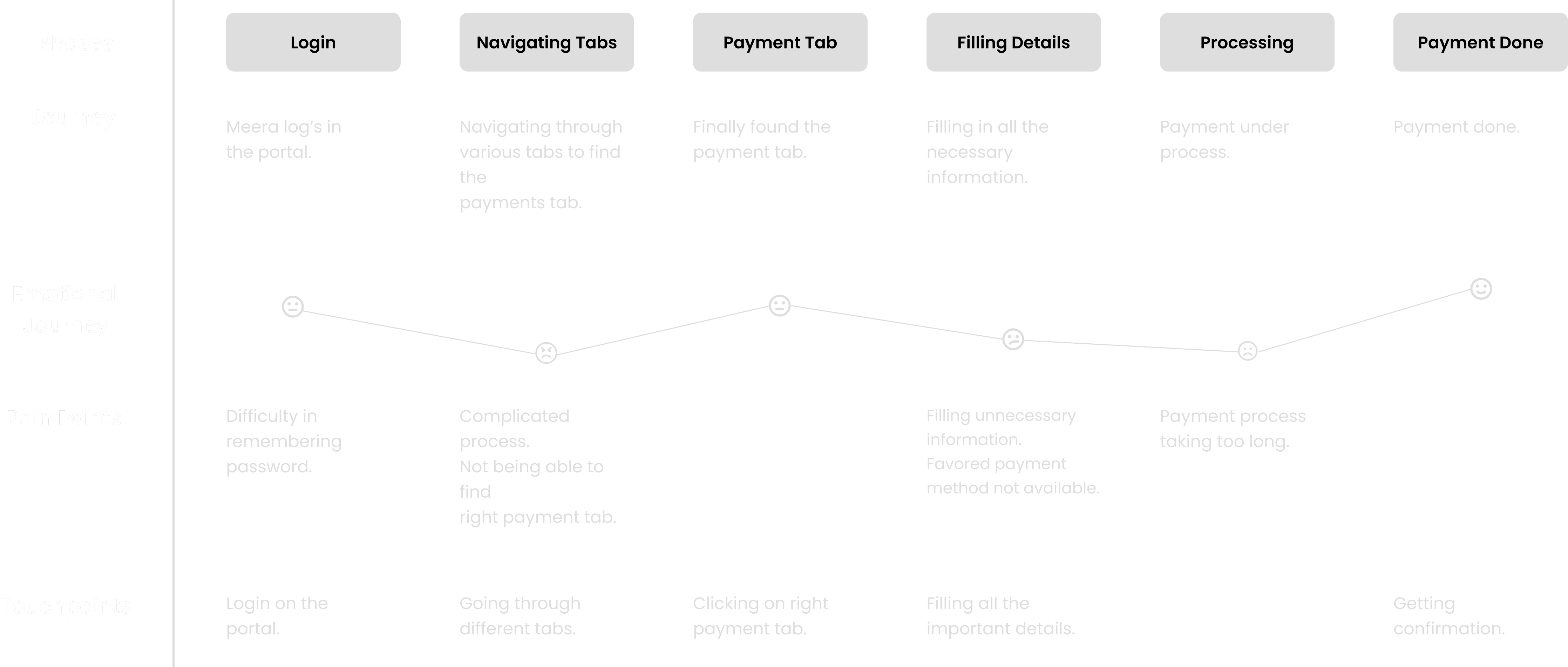
Information Architecture
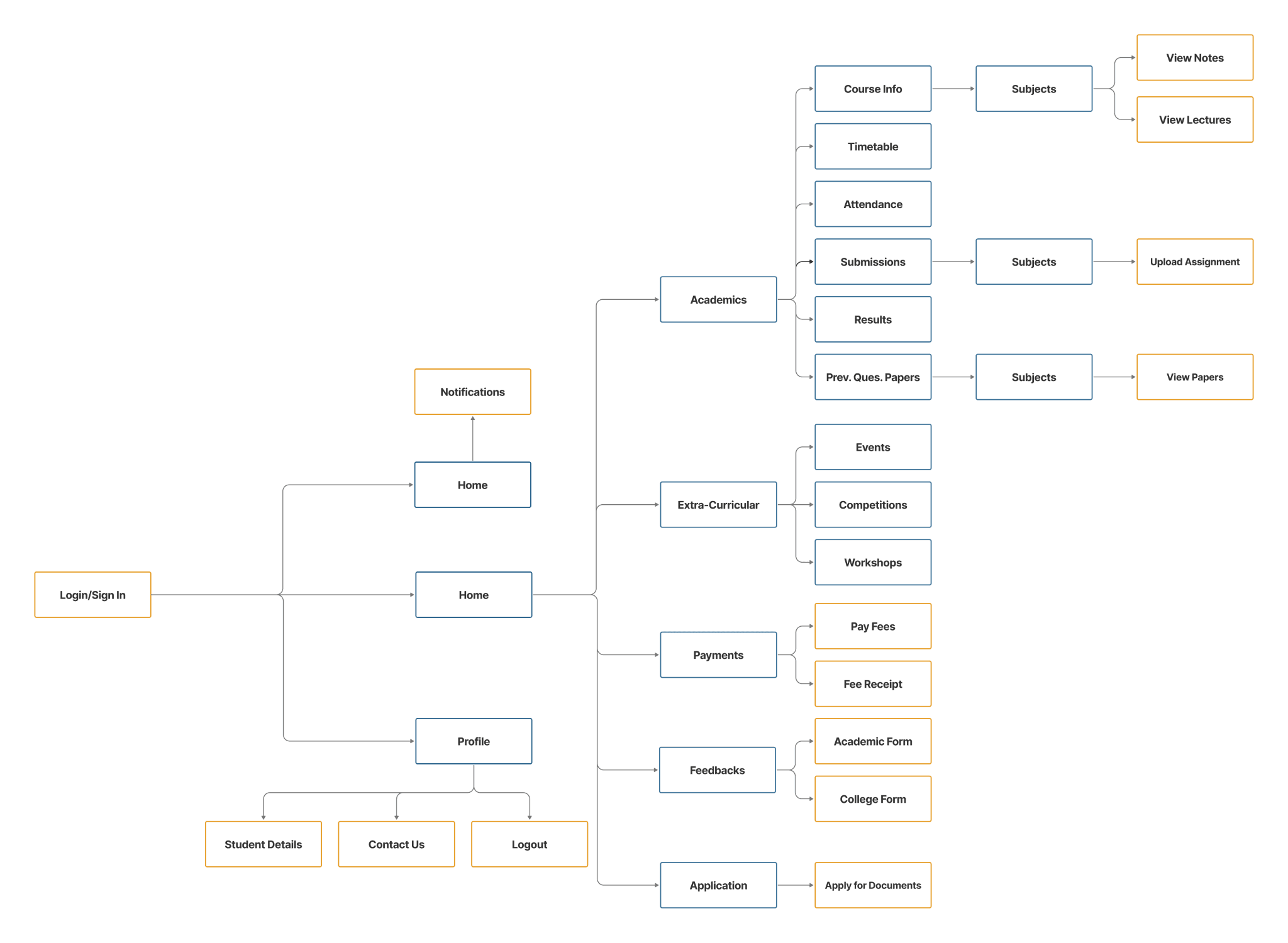
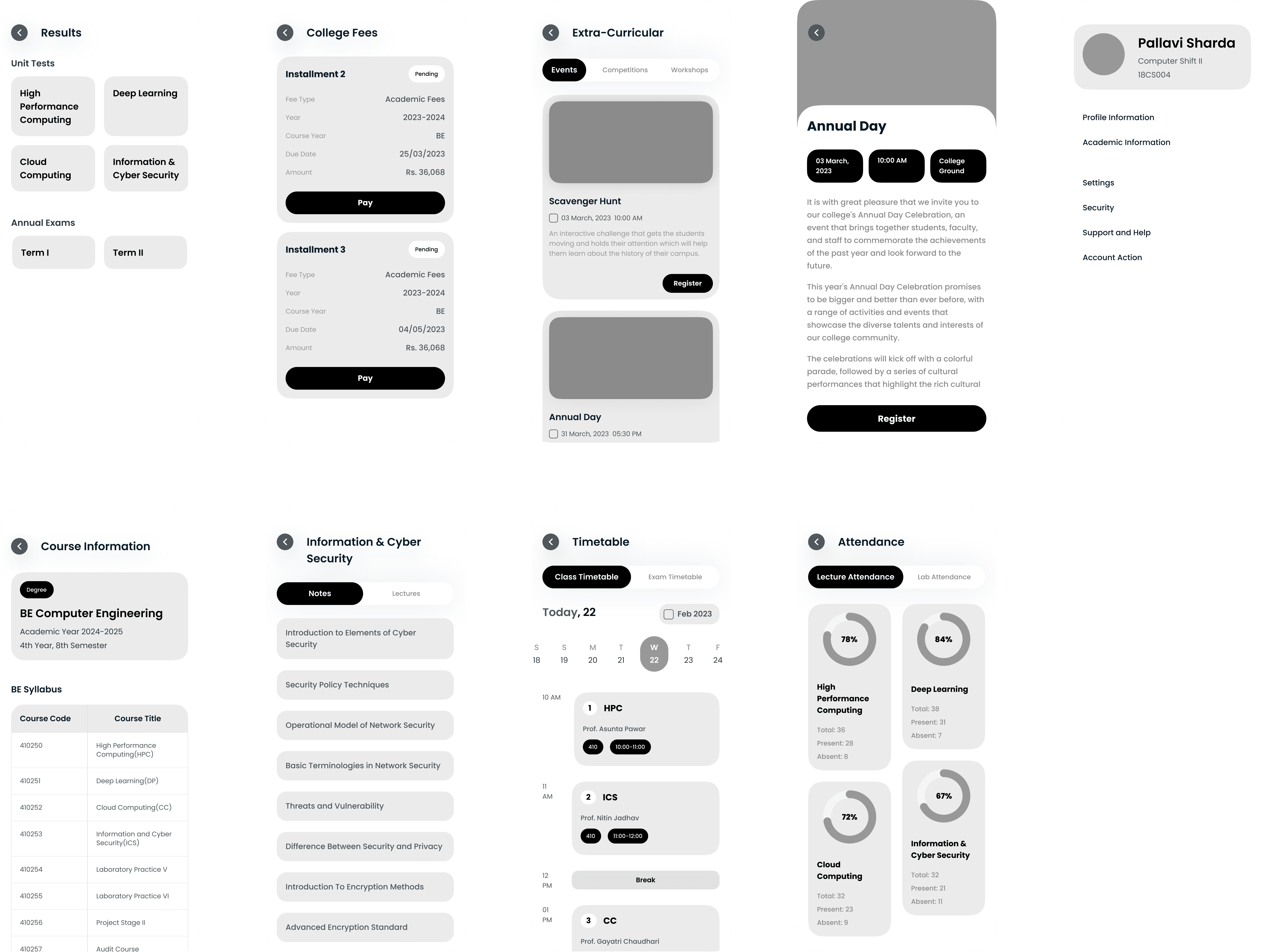
Low Fidelity
Style Guide
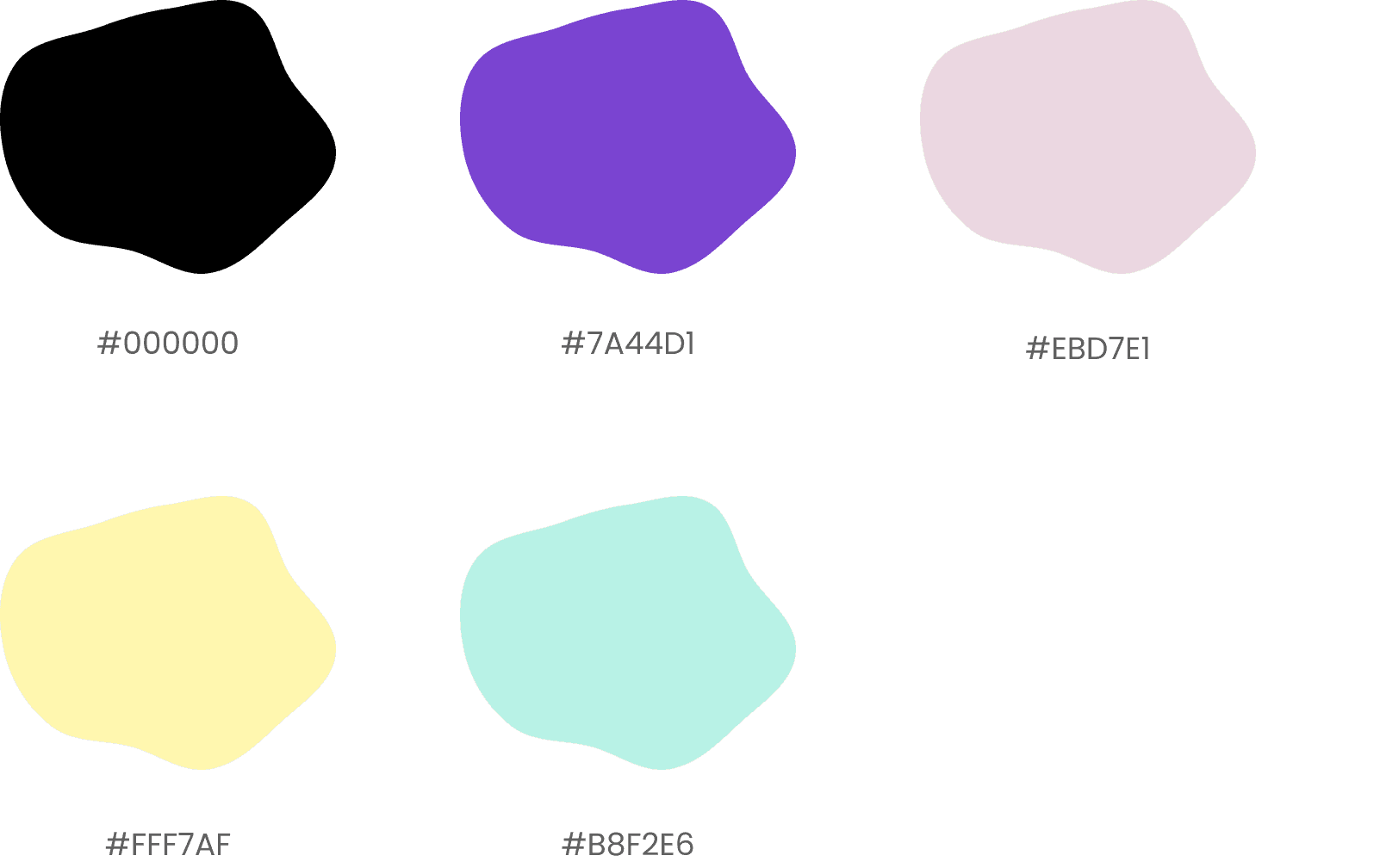
Colors
Typeface
Poppins

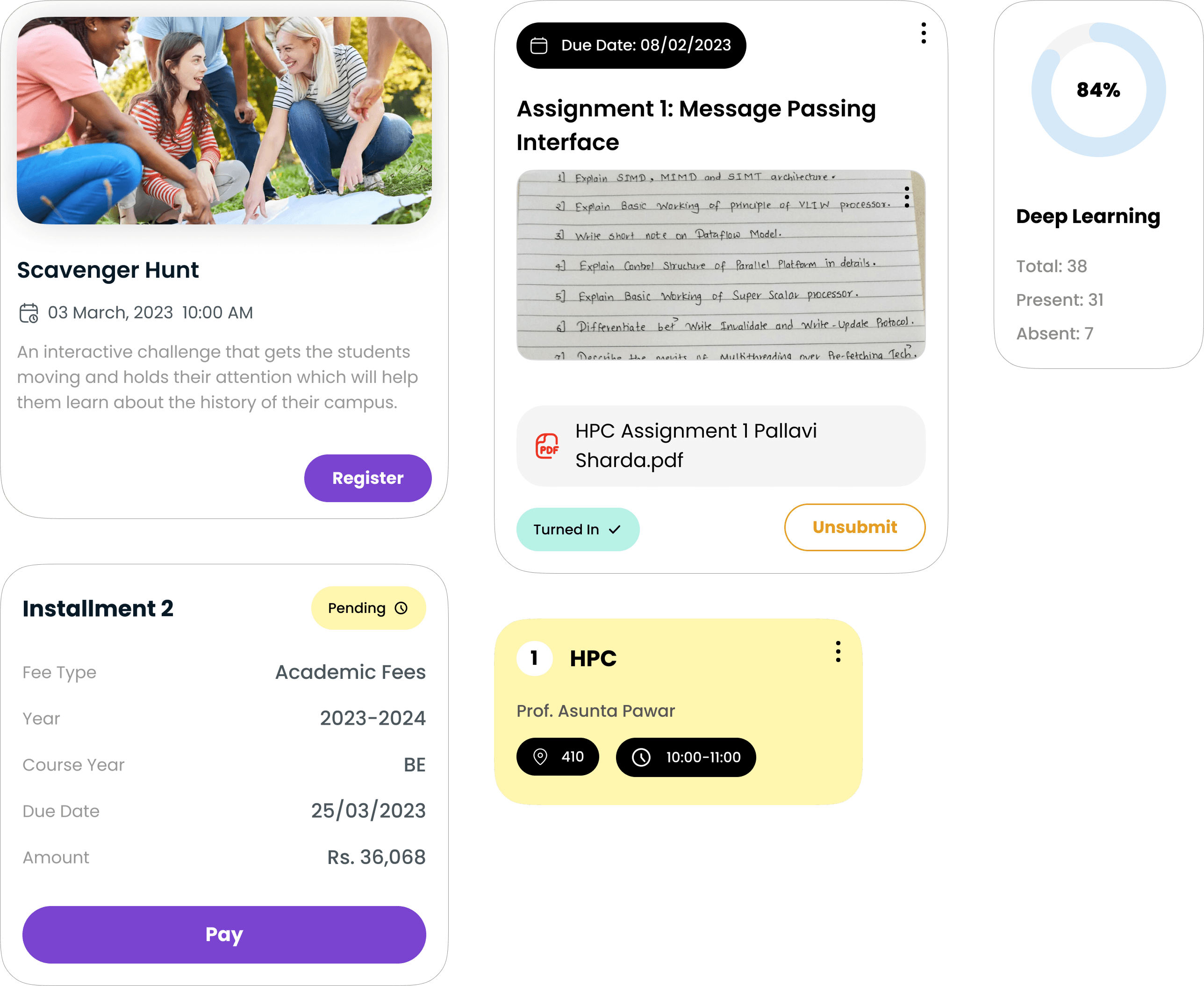
Components
Usability Testing
10 students from various departments participated in the usability tests.
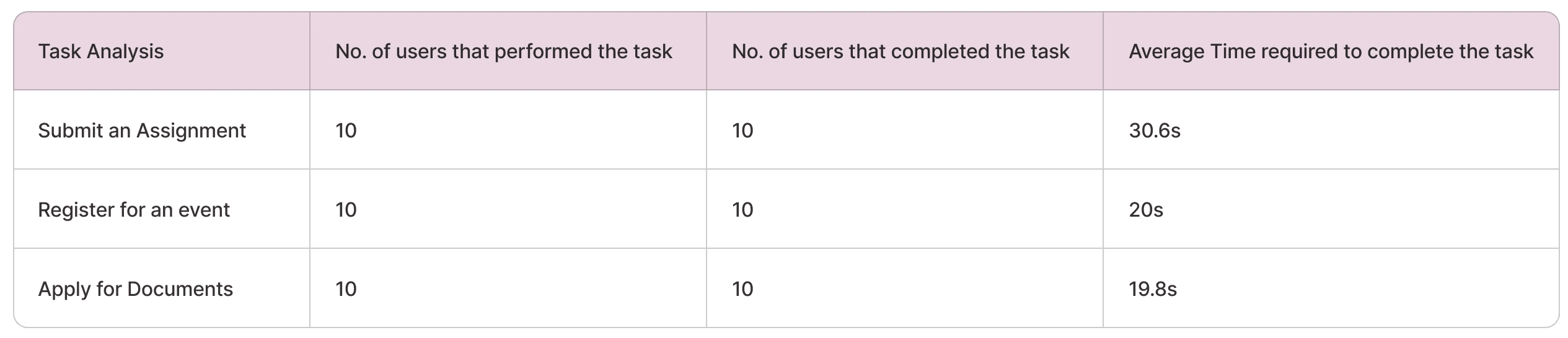
Task Analysis
We have performed a task analysis to validate and check the proposed solution. The formula used for checking the average time taken by the users for each task is as follows
Task Time =
Time(user1) + Time(user2) +...+ Time(userN)
Total number of users
System Usability Scale(SUS)
The System Usability Scale (SUS) is a widely used tool to evaluate the usability of a system through a quick 10-item questionnaire, providing a reliable measure of user satisfaction. A total of 6 participants were recruited to complete the SUS questionnaire after using the system for a predefined task. After completing the task on the platform, participants were asked to fill out the SUS questionnaire.
The system achieved an average SUS score of 83.61, with scores ranging from 70 to 90, indicating a generally positive usability experience. According to established SUS guidelines, a score of 83.61 is above the industry average, a score of 68, suggests that the system is perceived as usable by participants. The above-average SUS score highlights the system's user-friendly design, making it suitable for a diverse user base with varying levels of technical expertise.

Final Takeaways
1
Catalyst delivered tangible improvements in productivity and engagement
2
Students experienced better time management and reduced task-switching.
3
A clear, intuitive interface proved essential in ensuring students embraced the platform.
4
Empathy-driven design was pivotal in addressing pain points and creating a seamless experience.
Conclusion
Catalyst successfully addresses the fragmented experience of college management tools by offering an integrated, user-centric solution tailored to student needs. Through a combination of thorough research, user-centered design, and rigorous testing, the platform simplifies academic and administrative tasks while fostering greater engagement in campus activities.